
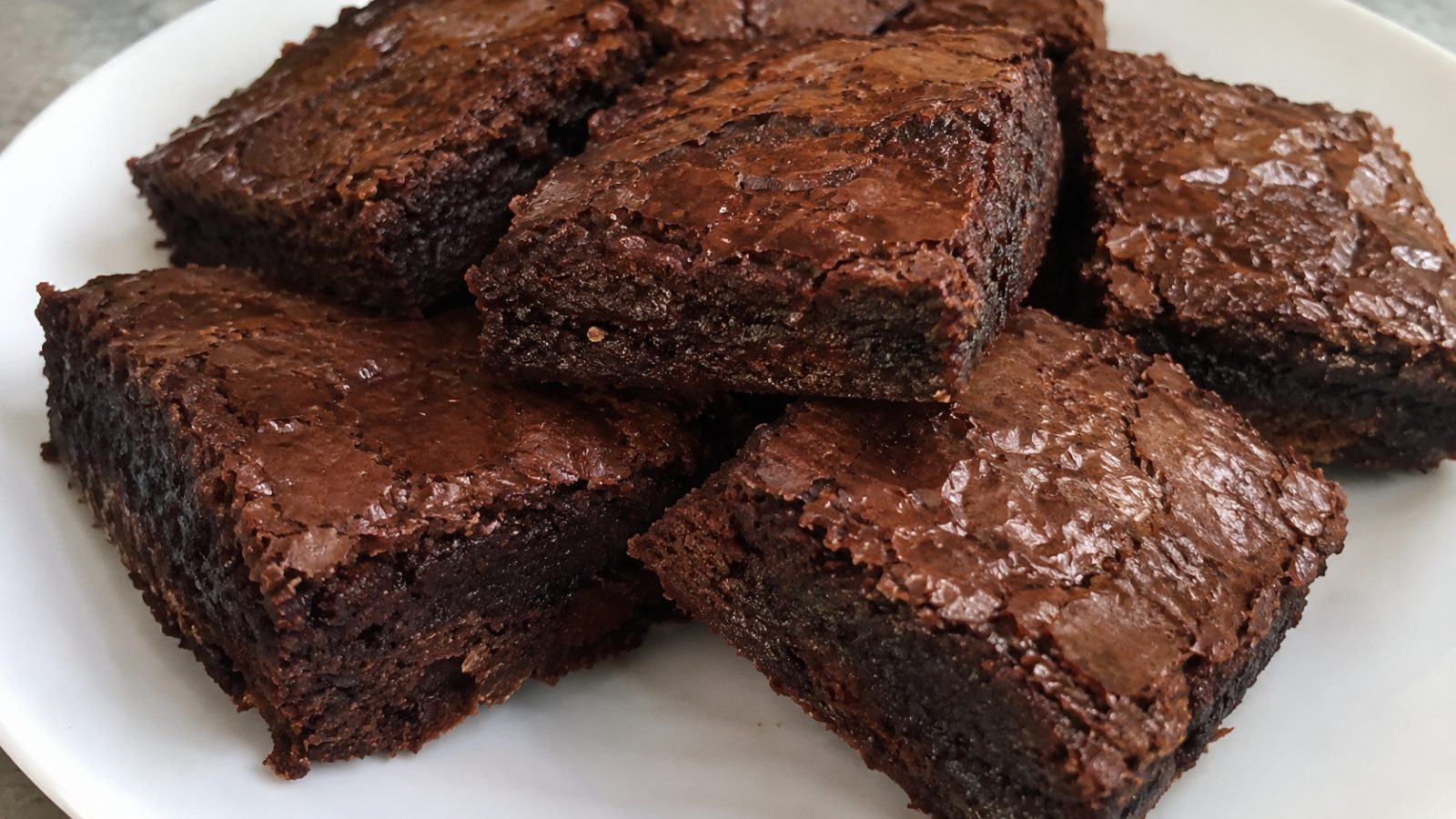
Brownies are supposed to be rich, chewy, and deeply chocolatey, and giving up sugar should not mean giving up any of that. These sugar free brown butter brownies prove it. Browning the butter adds a toasty, caramel-like depth that makes up for the missing sugar, so every bite tastes indulgent rather than “diet.” In this guide you will learn how the technique works, which sweeteners behave best, and how to get a glossy, crackly top and a fudgy center every time.
Key Takeaways
- Browning the butter creates nutty, toffee-like flavor that makes sugar free baking taste richer and more complex.
- A blend of allulose and erythritol or monk fruit gives the best texture, with less cooling aftertaste and more moisture.
- Underbaking slightly and cooling fully is the secret to a fudgy center instead of a dry, cakey crumb.
- Sugar free brownies keep well in the fridge for a week and freeze beautifully for up to three months.
Why Brown Butter Changes Everything
Brown butter, also called beurre noisette, is simply butter that has been cooked until the milk solids toast and turn golden. As the water evaporates and the proteins caramelize, regular butter transforms into something that smells like roasted hazelnuts and warm toffee. That flavor shift is the reason pastry chefs rely on it for cookies, financiers, and sauces.
In a sugar free brownie, brown butter does heavy lifting. Traditional brownies get part of their depth from the caramelization of real sugar during baking. Sugar substitutes do not caramelize the same way, so the result can taste flat or one-dimensional. By building flavor in the pan before the batter is even mixed, you replace some of that missing complexity. The chocolate tastes darker, the vanilla tastes rounder, and the finished brownie feels far more like the classic version.
There is a texture benefit too. Because some of the water in butter cooks off, brown butter is more concentrated. That means a slightly denser, chewier crumb, which is exactly what you want in a brownie.
Choosing the Right Sweetener
The sweetener you pick will shape the final texture more than any other ingredient. Here is how the most common options behave.
Allulose. This rare sugar tastes remarkably like real sugar and browns beautifully. It also holds moisture, which helps brownies stay soft and fudgy. Allulose has a very low glycemic impact, though it is slightly less sweet than sugar, so you may want a little extra.
Erythritol. A popular bulk sweetener that measures cup for cup like sugar. On its own it can leave a cooling sensation on the tongue and can recrystallize as the brownies cool, creating a slightly gritty bite.
Monk fruit blends. Most commercial monk fruit sweeteners are blended with erythritol. They are widely available, easy to measure, and a solid everyday choice.
Stevia. Very concentrated and can turn bitter if overused. It works best in small amounts alongside another sweetener rather than as the only one.
For the best results, use a granulated blend of allulose and erythritol, or a mix of allulose and a monk fruit blend. The allulose supplies moisture and browning while the erythritol adds structure. If you only have one type, the recipe will still work, but expect small differences in softness and aftertaste.
Ingredients You Will Need
This recipe makes sixteen small squares in an 8 by 8 inch pan.
- 3/4 cup (170 g) unsalted butter
- 1 cup (200 g) granulated allulose and erythritol blend, or a monk fruit sweetener
- 2 large eggs, plus 1 egg yolk, at room temperature
- 2 teaspoons pure vanilla extract
- 1/2 teaspoon fine sea salt
- 1/3 cup (35 g) unsweetened cocoa powder, sifted
- 1/2 cup (60 g) fine almond flour or all-purpose flour
- 1/2 cup (85 g) sugar free chocolate chips, divided
- Flaky sea salt for sprinkling, optional
A few notes on these ingredients. Room temperature eggs blend more smoothly into the warm batter and help create that shiny, crackly top. The extra yolk adds richness and fudginess. Dutch-processed cocoa gives a darker, smoother flavor, but natural cocoa works fine too. If you want a lower carb brownie, almond flour is the better choice; all-purpose flour gives a slightly chewier bite.
Step-by-Step Instructions
1. Prep the pan. Heat your oven to 350°F (175°C). Line an 8 by 8 inch pan with parchment paper, leaving an overhang on two sides so you can lift the brownies out cleanly later.
2. Brown the butter. Cut the butter into chunks and add it to a light-colored saucepan. A light pan lets you see the color change. Melt over medium heat, stirring often. The butter will foam, then crackle, then quiet down. After about 6 to 8 minutes, you will see golden-brown specks at the bottom and smell a nutty aroma. Remove from the heat right away and pour everything, including the brown bits, into a heatproof bowl. Those specks are pure flavor.
3. Add the sweetener. Stir the sweetener into the hot butter and let it sit for about 3 minutes. The warmth helps dissolve the granules, which reduces graininess.
4. Mix in the eggs. Whisk in the eggs, the extra yolk, and the vanilla. Keep whisking for a full minute until the batter looks thick, glossy, and slightly lighter in color. This step builds the shiny top, so do not rush it.
5. Fold in the dry ingredients. Sift the cocoa, flour, and salt directly into the bowl. Fold gently with a spatula until just combined. Stir in half of the chocolate chips.
6. Bake. Spread the batter evenly in the pan, scatter the remaining chips on top, and bake for 22 to 25 minutes. The edges should look set while the center still appears slightly soft. A toothpick should come out with a few moist crumbs, not wet batter.
7. Cool completely. This is the hardest step, but it matters. Let the brownies cool in the pan for at least 1 hour, then chill for 30 minutes for the cleanest slices. Sprinkle with flaky salt before serving.
Tips for the Fudgiest Texture
Sugar free baking is less forgiving than regular baking, so a few small habits make a big difference.
Do not overbake. Sugar substitutes do not retain moisture the way sugar does, so brownies can go from fudgy to dry in just a couple of minutes. Pull them out when the center still looks a touch underdone. They will continue to set as they cool.
Watch the butter closely. Brown butter can go from perfect to burnt in seconds. If you smell anything acrid or see black flecks, start over. The flavor of burnt butter will overpower the chocolate.
Use a scale if you can. Sweeteners vary in density, so measuring by weight gives more consistent results than cups.
Sift the cocoa. Cocoa powder clumps easily, and lumps will not dissolve in a thick batter. Sifting guarantees a smooth, even crumb.
Chill before slicing. Cold brownies cut into neat squares. Use a sharp knife and wipe it clean between cuts.
Common Problems and How to Fix Them
Brownies taste cooling or minty. That sensation comes from erythritol. Swap part or all of it for allulose, or look for a blend with less erythritol.
The texture is gritty. Granulated sweeteners sometimes do not fully dissolve. Pulse your sweetener in a blender for a few seconds to create a powdered version, or let it sit in the hot butter a little longer.
The brownies are dry or cakey. You likely overbaked or overmixed the batter. Reduce the baking time by two to three minutes next time, and fold the flour in gently.
The top is not shiny. A crackly top comes from dissolved sweetener and well-whisked eggs. Make sure to whisk the eggs and sweetener vigorously before adding the dry ingredients.
They taste bland. Do not skip the salt, and make sure your vanilla is real. A small pinch of espresso powder also deepens the chocolate flavor without making the brownies taste like coffee.
Delicious Variations to Try
Once you have the base recipe down, it is easy to customize.
Espresso brown butter brownies. Add one teaspoon of instant espresso powder to the cocoa for a mocha twist.
Nutty crunch. Fold in a half cup of chopped toasted walnuts or pecans. Toasted nuts echo the nutty flavor of the brown butter.
Peanut butter swirl. Warm two tablespoons of natural peanut butter, sweeten lightly, and swirl it over the batter with a knife before baking.
Orange chocolate. Add one teaspoon of orange zest to the batter for a bright, citrusy contrast.
Salted caramel style. Drizzle a sugar free caramel sauce over the cooled brownies and finish with flaky salt.
Nutrition and Dietary Notes
Each square of this recipe typically contains roughly 130 to 160 calories, 2 to 4 grams of net carbs, and a good amount of healthy fat, depending on your sweetener and flour. Exact numbers will vary by brand, so check the labels on your ingredients if you are tracking macros.
These brownies fit well into low carb and ketogenic eating plans when made with almond flour. They are also a thoughtful treat for people who limit added sugar. If you are cooking for someone with diabetes, remember that individual responses to sweeteners differ, so it is wise to check with a healthcare provider about what works best for your body.
Because the recipe contains eggs, butter, and optionally almond flour or nuts, it is not suitable for people with those allergies. For a gluten-free version, use almond flour and confirm that your chocolate chips are certified gluten free.
Storage and Make-Ahead Advice
Store the brownies in an airtight container at room temperature for up to two days. For longer storage, refrigerate them for up to one week. Many people actually prefer them cold, since the texture turns dense and fudgy, almost like a truffle.
To freeze, wrap individual squares in parchment paper and place them in a freezer-safe bag. They will keep for up to three months. Thaw at room temperature for about 30 minutes, or warm a square in the microwave for 10 seconds for a gooey, just-baked feel.
You can also brown the butter a day ahead. Store it in the fridge, then gently rewarm it until pourable before continuing with the recipe.
Frequently Asked Questions
Can I use regular butter or do I need a special kind?
Unsalted butter is best because it lets you control the salt level. Salted butter works in a pinch, but reduce the added salt by half. European-style butter with higher fat content browns especially well.
Why did my brownies turn out dry?
Sugar substitutes hold less moisture than sugar, so overbaking is the usual cause. Bake until the center is just set, and let the brownies finish cooking in the hot pan as they cool.
Can I make these brownies dairy free?
Yes, though the flavor will change. Plant-based butter does not brown the same way as dairy butter because it lacks milk solids. You can use ghee, which has the milk solids removed, but you will still get some toasty flavor from cooking it briefly.
What is the best sugar substitute for brownies?
A blend of allulose and erythritol or monk fruit gives the most balanced results. Allulose adds moisture and browning, while erythritol provides structure. Avoid using pure stevia as the main sweetener.
How do I know when the butter is browned enough?
Look for golden-brown flecks at the bottom of the pan and a nutty, toasty smell. The foam will subside and the butter will turn amber. Remove it from the heat immediately to prevent burning.
Can I double the recipe?
Absolutely. Use a 9 by 13 inch pan and add 3 to 5 minutes to the baking time. Check for doneness with a toothpick rather than relying only on the clock.
Baking without sugar does not have to mean settling for less. With a little patience at the stove, a smart choice of sweetener, and a careful eye on the oven, you can turn out a pan of rich, fudgy squares that taste like the real thing. Once you try this method, sugar free brown butter brownies may become your new go-to dessert for family gatherings, weeknight cravings, and everything in between.