
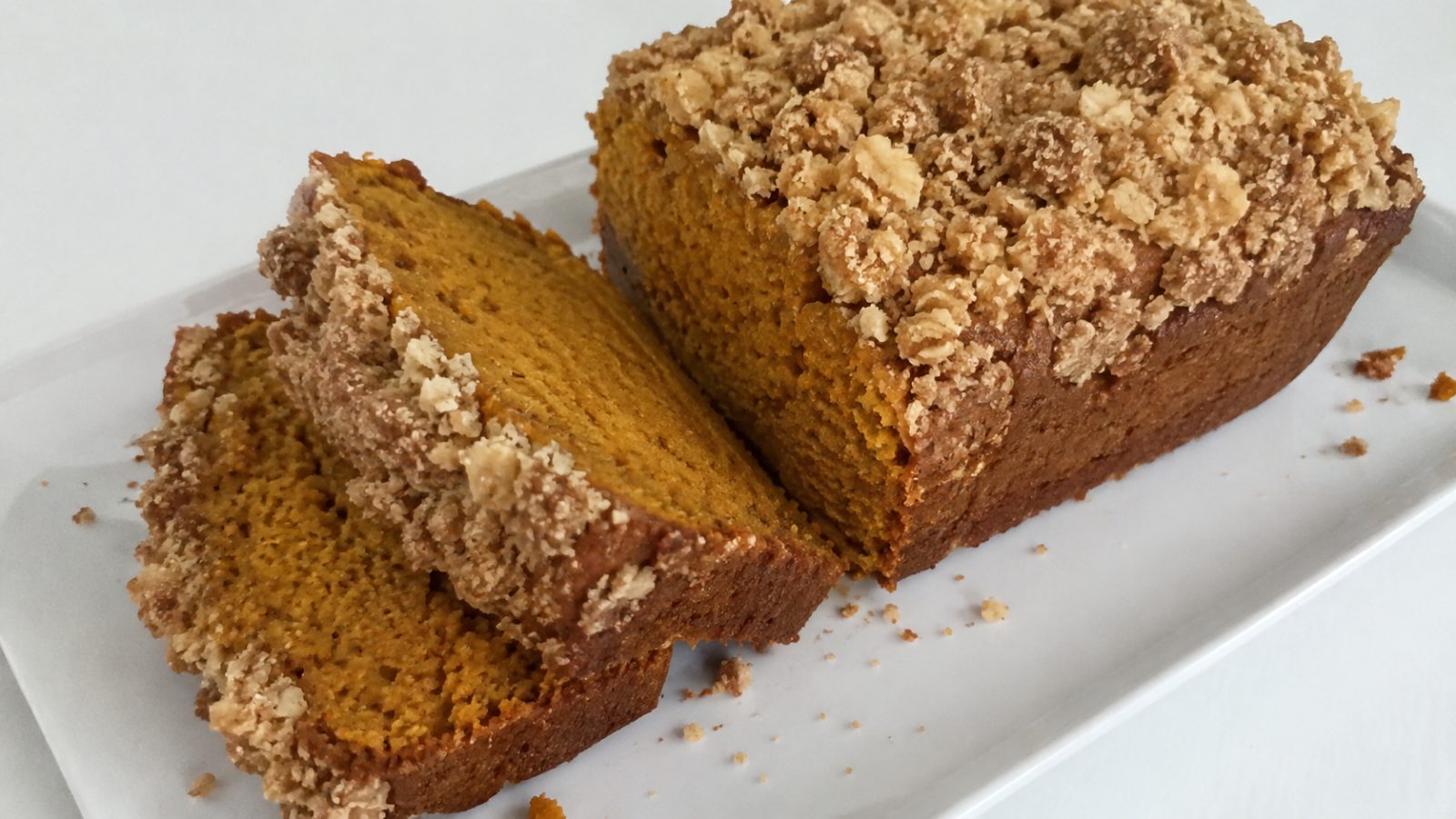
There is something deeply comforting about a warm slice of spiced pumpkin loaf, and when you add a crisp, buttery crumb layer on top, it becomes unforgettable. This pumpkin bread with streusel topping delivers a tender, moist interior, warm autumn spices, and a crunchy cinnamon crumble that bakes into a golden crust. It is simple enough for beginners, yet impressive enough to serve to guests. In this guide, you will find the full recipe, practical tips, common mistakes to avoid, flavor ideas, and storage advice so every loaf turns out perfectly.
Key Takeaways
- A mix of oil and brown sugar keeps the crumb soft and moist for days.
- Cold butter in the crumble layer is what creates a crisp, clumpy texture instead of a greasy one.
- Pure pumpkin puree, not pumpkin pie filling, gives the best flavor and structure.
- The loaf is done when a skewer comes out with a few moist crumbs, and a tent of foil prevents over-browning.
- Cooled slices freeze beautifully, making this a great make-ahead bake.
Why a Crumble Layer Makes Pumpkin Bread Better
Plain pumpkin loaf is lovely, but it can be a little one-note. The soft crumb, the gentle spice, and the mellow sweetness all sit in the same texture range. A crumble layer changes that completely. As it bakes, the butter melts into the sugar and flour, forming little clusters that turn crisp and caramelized on the surface. Every bite gives you contrast: crunchy on top, tender and moist underneath.
The topping also adds flavor. Brown sugar brings a molasses note that pairs naturally with pumpkin, cinnamon adds warmth, and a pinch of salt makes everything taste more balanced. If you like, a handful of chopped pecans or walnuts adds a nutty depth. Visually, the crumble gives the loaf a rustic, bakery look without any special decorating skills. You simply sprinkle it on before baking and let the oven do the work.
Ingredients You Will Need
Good results start with good ingredients, and a few details matter more than you might expect.
For the Bread
- 1 3/4 cups (220 g) all-purpose flour
- 1 teaspoon baking soda
- 1/2 teaspoon baking powder
- 1 teaspoon fine salt
- 2 teaspoons ground cinnamon
- 1/2 teaspoon ground nutmeg
- 1/4 teaspoon ground ginger
- 1/4 teaspoon ground cloves
- 1 cup (225 g) pure pumpkin puree
- 1/2 cup (120 ml) neutral oil, such as sunflower or canola
- 3/4 cup (150 g) granulated sugar
- 1/2 cup (100 g) packed light brown sugar
- 2 large eggs, at room temperature
- 1/4 cup (60 ml) milk or buttermilk
- 1 teaspoon vanilla extract
For the Crumble Topping
- 1/3 cup (45 g) all-purpose flour
- 1/3 cup (70 g) packed brown sugar
- 1/2 teaspoon ground cinnamon
- A pinch of salt
- 3 tablespoons (45 g) cold unsalted butter, cubed
- 1/4 cup chopped pecans or walnuts (optional)
Ingredient Notes
Pumpkin puree: Choose 100 percent pumpkin puree. Pumpkin pie filling already contains sugar and spices, which throws off the balance of the recipe. If you are using homemade puree from roasted pumpkin, drain it in a fine sieve or press it between paper towels, because fresh puree often holds more water than canned.
Oil versus butter: Oil stays liquid at room temperature, which means the loaf feels moist even on day three or four. Butter tastes wonderful, but it can make the crumb slightly drier once cooled. Save the butter for the crumble, where it belongs.
Spices: Fresh spices make a noticeable difference. If your cinnamon or nutmeg has been in the cupboard for more than a year, the flavor will be dull. You can substitute 2 3/4 teaspoons of pumpkin pie spice for the four individual spices if that is what you have.
Step-by-Step Instructions
Step 1: Prepare the Oven and Pan
Heat your oven to 350°F (175°C). Grease a 9 by 5 inch (23 by 13 cm) loaf pan and line it with parchment paper, leaving a little overhang on the long sides. This makes it easy to lift the loaf out after baking and protects the bottom from over-browning.
Step 2: Make the Crumble First
Combine the flour, brown sugar, cinnamon, and salt in a small bowl. Add the cold cubed butter and rub it into the dry ingredients with your fingertips until you see pea-sized clumps and a few larger crumbs. Stir in the nuts if you are using them. Place the bowl in the refrigerator while you mix the batter. Keeping the butter cold is the secret to a topping that stays crumbly instead of melting into a flat sheet.
Step 3: Mix the Dry Ingredients
In a medium bowl, whisk together the flour, baking soda, baking powder, salt, cinnamon, nutmeg, ginger, and cloves. Whisking distributes the leavening and spices evenly so you do not get bitter pockets of baking soda or uneven flavor.
Step 4: Mix the Wet Ingredients
In a large bowl, whisk the pumpkin puree, oil, granulated sugar, brown sugar, eggs, milk, and vanilla until the mixture is smooth and slightly glossy. Take your time here. Well-combined wet ingredients create a more uniform crumb.
Step 5: Combine Gently
Pour the dry ingredients into the wet ingredients. Fold with a spatula just until no streaks of flour remain. A few small lumps are fine. Overmixing develops gluten, which leads to a tough, rubbery loaf with tunnels inside.
Step 6: Fill the Pan and Add the Topping
Scrape the batter into the prepared pan and smooth the top. Remove the crumble from the refrigerator and scatter it evenly over the surface. Press down very lightly with your palm so the crumbs adhere and do not slide off when you slice the bread.
Step 7: Bake
Bake for 60 to 70 minutes. After about 40 minutes, check the top. If the crumble is browning too quickly, loosely tent the loaf with aluminum foil. The bread is ready when a wooden skewer inserted into the center comes out clean or with a few moist crumbs clinging to it. Ovens vary, so start checking at 55 minutes.
Step 8: Cool Properly
Let the loaf rest in the pan for 15 minutes, then use the parchment overhang to lift it onto a wire rack. Cool for at least 30 more minutes before slicing. Cutting too early can make the center seem gummy, because the structure is still setting as it cools.
Tips for a Moist, Tall, Bakery-Style Loaf
Measure flour correctly. Too much flour is the most common cause of dry quick bread. Spoon flour into your measuring cup and level it with a knife, or better yet, weigh it on a kitchen scale.
Use room temperature eggs. Cold eggs can cause the oil to clump slightly and lead to uneven mixing. Place them in a bowl of warm water for five minutes if you forgot to take them out ahead of time.
Do not skip the resting time. Pumpkin bread often tastes even better the next day, when the spices have had time to mellow and the crumb has settled. If you can wait, wrap the cooled loaf and enjoy it tomorrow.
Check your baking soda. Old leavening loses strength. If your baking soda has been open for more than six months, replace it for a better rise.
Rotate if needed. If your oven has hot spots, rotate the pan halfway through baking for even color.
Common Mistakes to Avoid
Using pie filling instead of puree. This is the number one recipe error. The extra sugar and spices will make the loaf overly sweet and can cause it to sink.
Overmixing the batter. Stir only until combined. Vigorous mixing leads to a dense, chewy texture.
Melting the butter in the topping. Melted butter produces a paste instead of crumbs. Use it cold, and keep the bowl in the refrigerator until you are ready to use it.
Opening the oven too early. Opening the door during the first 35 minutes lets heat escape and can cause the center to collapse.
Slicing while hot. It is tempting, but a warm loaf crumbles and tears. Patience produces clean, neat slices.
Flavor Variations to Try
Once you have mastered the base recipe, it is easy to customize.
Chocolate chip: Fold 3/4 cup (130 g) of semisweet chocolate chips into the batter. Chocolate and pumpkin are a surprisingly good pair.
Cream cheese swirl: Beat 4 ounces (115 g) of softened cream cheese with 2 tablespoons of sugar and an egg yolk. Dollop it over half the batter, swirl gently with a knife, then add the rest of the batter and the topping.
Maple pecan: Replace the vanilla with maple extract, and use pecans in the crumble. Drizzle a little maple glaze over the cooled loaf for extra indulgence.
Orange zest: Add the zest of one orange to the batter. The bright citrus note lifts the warm spices beautifully.
Whole wheat blend: Swap up to half the all-purpose flour for whole wheat flour for a nuttier, slightly heartier loaf. You may need an extra tablespoon of milk.
Mini loaves or muffins: Divide the batter among mini loaf pans or a muffin tin. Mini loaves bake in about 30 to 35 minutes, and muffins in 20 to 25 minutes. They make wonderful gifts.
Storing, Freezing, and Reheating
Room temperature: Once completely cool, wrap the loaf tightly in plastic wrap or store it in an airtight container. It stays fresh for up to 3 days on the counter.
Refrigerator: For longer storage, keep it in the refrigerator for up to 7 days. Bring slices to room temperature or warm them briefly before serving, since chilling can dull the flavor and firm up the crumb.
Freezer: Slice the loaf, wrap each slice individually, and place them in a freezer bag. They keep well for up to 3 months. Thaw at room temperature for about an hour, or warm a frozen slice in the microwave for 20 to 30 seconds.
Reheating: To revive that fresh-baked feel, warm a slice in a 300°F (150°C) oven for 8 to 10 minutes. This also re-crisps the crumble nicely. A toaster oven works well too.
Serving Ideas
This loaf is versatile enough to fit almost any moment of the day. Serve a thick slice with a smear of salted butter and a cup of hot coffee or spiced tea for breakfast. Toast it lightly and top it with cream cheese for an afternoon snack. For dessert, warm a slice and add a scoop of vanilla ice cream or a spoonful of whipped cream. It also travels well, so it is ideal for potlucks, bake sales, school events, and holiday gatherings.
If you are hosting a brunch, slice the loaf and arrange it alongside fresh fruit, yogurt, and a bowl of honey. The warm spices pair nicely with citrus and apples, and the presentation looks effortless.
Why This Recipe Works
Understanding the science behind a recipe makes you a better baker. The combination of baking soda and baking powder gives this loaf a reliable rise. The baking soda reacts with the mild acidity of the pumpkin and brown sugar, while the baking powder provides extra lift. Oil coats the flour proteins, limiting gluten formation and producing a soft, tender crumb. Brown sugar contributes moisture because it attracts and holds water, which is why the bread stays soft long after baking. The crumble, meanwhile, bakes at the same temperature as the loaf, so the butter melts, the sugar caramelizes, and the flour toasts, all without any extra steps.
Frequently Asked Questions
Can I use fresh pumpkin instead of canned puree?
Yes. Roast sugar pumpkin or kabocha squash until very tender, then blend until smooth. Drain off excess liquid before measuring, because watery puree can make the loaf gummy.
Why did my crumble sink into the batter?
This usually happens when the batter is too thin or the crumble is too warm and fine. Keep the butter cold, make sure the crumbs are chunky, and add them gently to the surface without pressing hard.
How do I know when the loaf is fully baked?
Insert a skewer into the center. It should come out clean or with a few damp crumbs, not wet batter. The top should also spring back lightly when touched, and the edges should pull slightly away from the pan.
Can I make this recipe dairy-free?
Absolutely. Use plant-based milk in the batter and replace the butter in the topping with cold vegan butter or solid coconut oil. The texture will remain crisp and delicious.
Can I reduce the sugar?
You can reduce the total sugar in the batter by up to 1/4 cup without major problems, though the loaf will be slightly less moist and a bit paler. The crumble should stay as written, since it needs the sugar for texture.
Why did my loaf dome and crack in the middle?
A crack along the top is normal for quick breads and is actually a sign of good oven spring. If it peaks too sharply, your oven may be running hot, so check it with an oven thermometer.
Baking a loaf like this is one of the simplest ways to bring the cozy flavors of fall into your kitchen. With cold butter, fresh spices, gentle mixing, and a little patience while it cools, you will get a loaf that looks and tastes like it came from a neighborhood bakery. Whether you keep it classic or experiment with chocolate, citrus, or cream cheese, this pumpkin bread with streusel topping is a recipe you will return to every season, and it will quickly become the one friends and family ask you to bring.