
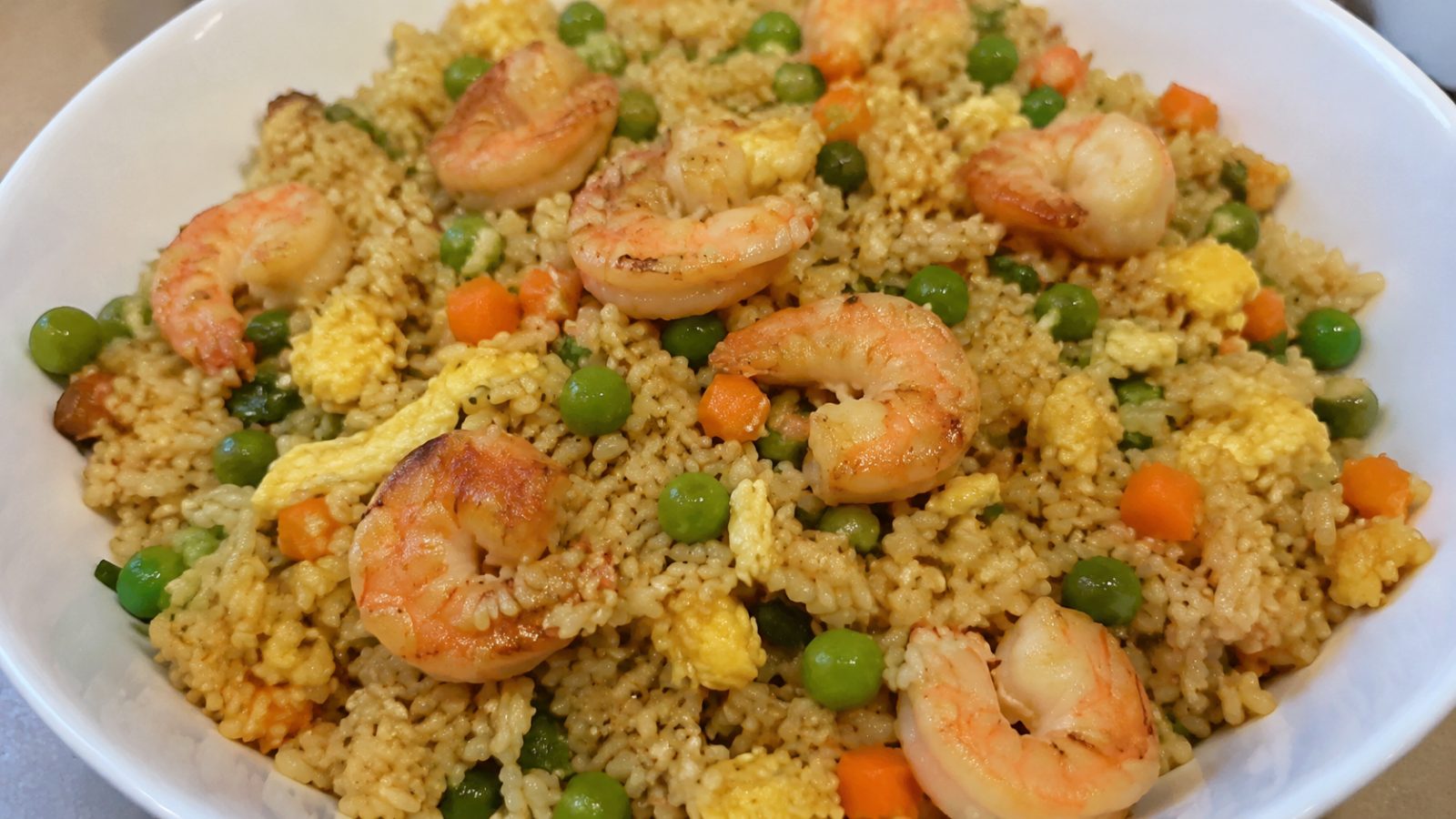
Some nights call for a dinner that comes together fast, uses simple ingredients, and still tastes like it came from your favorite takeout spot. This easy shrimp fried rice does exactly that. It combines juicy shrimp, fluffy day-old rice, crisp vegetables, and a savory sauce, all cooked in one pan in about twenty minutes. You do not need special equipment or hard-to-find ingredients, and the results beat most delivery orders. Whether you are feeding a busy family or just yourself, this guide covers everything you need to get it right the first time.
Key Takeaways
- Day-old, cold rice is the secret to fried rice with separate, slightly crisp grains instead of a mushy clump.
- High heat and a short cooking time keep the shrimp tender and the vegetables crisp.
- A simple sauce of soy sauce, oyster sauce, and sesame oil delivers deep, restaurant style flavor.
- The whole dish takes about 20 minutes and uses a single pan, making cleanup easy.
- Leftovers store well for up to three days and reheat beautifully with a splash of water.
Why Fried Rice with Shrimp Works So Well for Busy Nights
Fried rice was born out of resourcefulness. Cooks created it to turn leftover rice and whatever else was on hand into a satisfying meal. That origin explains why it suits modern weeknights so well. You can make it with pantry staples, a bag of frozen vegetables, and a handful of shrimp from the freezer.
Shrimp is an ideal protein for this style of cooking. It cooks in just two to three minutes, which means it never has time to dry out if you handle it correctly. It also absorbs the flavors of garlic, soy sauce, and toasted sesame oil, adding a subtle sweetness that balances the salty sauce. Compared with chicken or beef, shrimp requires no long marinating and no slicing into thin strips, so your prep time stays short.
Another advantage is flexibility. Once you master the basic method, you can swap vegetables, change the seasoning, or add heat without changing the technique. That makes this dish a reliable template you will return to again and again.
Ingredients You Need
Gathering everything before you turn on the stove is the most important step, because fried rice cooks very quickly. Once the pan is hot, there is no time to chop an onion or hunt for the soy sauce.
For the rice and shrimp:
- 3 cups cooked, chilled long grain white rice (jasmine works beautifully)
- 1 pound medium shrimp, peeled and deveined
- 3 tablespoons neutral oil with a high smoke point, such as avocado or vegetable oil, divided
- 3 large eggs, lightly beaten
- 3 cloves garlic, minced
- 1 teaspoon freshly grated ginger
- 1 cup frozen peas and carrots, thawed
- 4 green onions, sliced, whites and greens separated
For the sauce:
- 3 tablespoons low sodium soy sauce
- 1 tablespoon oyster sauce
- 1 teaspoon toasted sesame oil
- 1/2 teaspoon sugar
- 1/4 teaspoon white pepper
- Salt, to taste
Optional add-ins: a pinch of red pepper flakes, a squeeze of lime juice, chopped cilantro, or toasted sesame seeds for garnish.
The Best Rice for Fried Rice
Rice is the foundation of this dish, and the way you prepare it matters more than almost anything else. Freshly cooked rice holds a lot of moisture and steam. When it hits a hot pan, it clumps together and turns gummy. Rice that has been refrigerated for at least eight hours, ideally overnight, has dried out slightly and firmed up. The grains separate easily and fry rather than steam.
Long grain varieties such as jasmine or basmati work best because they stay fluffy and distinct. Short grain and sushi rice contain more starch and tend to stick together, so they are harder to work with.
If you forgot to make rice ahead of time, there is a quick fix. Cook a fresh batch, spread it in a thin layer on a baking sheet, and place it in the freezer for 15 to 20 minutes. This cools and dries the surface of the grains fast. Before cooking, break up any clumps with your fingers or a fork so the rice hits the pan in loose, separate pieces.
Choosing and Prepping the Shrimp
You can use fresh or frozen shrimp, and frozen is often the better choice. Most shrimp sold at the seafood counter was previously frozen and thawed, so buying a bag of frozen shrimp gives you better control over freshness.
Medium shrimp, sized around 31 to 40 per pound, are ideal. They are large enough to stay juicy but small enough to distribute evenly through the rice. If your shrimp are frozen, thaw them by placing them in a colander under cold running water for five to ten minutes. Avoid hot water, which can start cooking the outside and make the texture rubbery.
Once thawed, pat the shrimp very dry with paper towels. This step is easy to skip but makes a real difference. Wet shrimp steam instead of sear, and you lose that lightly golden color and concentrated flavor. Season the shrimp with a small pinch of salt and pepper, then set them aside while you prepare everything else.
Step-by-Step Instructions
Step 1: Mix the sauce. In a small bowl, stir together the soy sauce, oyster sauce, sesame oil, sugar, and white pepper. Having the sauce ready means you can add it all at once instead of fumbling with bottles while the pan smokes.
Step 2: Sear the shrimp. Heat a large skillet or wok over medium high heat until it is very hot. Add 1 tablespoon of oil, then lay the shrimp in a single layer. Cook for about 90 seconds on one side until pink and lightly browned, flip, and cook another 60 seconds. They should be just cooked through. Transfer them to a clean plate. They will finish warming when you return them to the rice.
Step 3: Scramble the eggs. Add another tablespoon of oil to the same pan. Pour in the beaten eggs and let them set for a few seconds, then gently scramble until mostly cooked but still soft. Move them to the plate with the shrimp.
Step 4: Build the aromatics. Add the final tablespoon of oil and the white parts of the green onions. Stir for 30 seconds, then add the garlic and ginger. Cook for about 20 seconds until fragrant. Watch closely, because garlic burns quickly and turns bitter.
Step 5: Cook the vegetables. Toss in the peas and carrots and stir for one to two minutes, until heated through and slightly glossy.
Step 6: Add the rice. Increase the heat to high. Add the cold rice and press it against the hot surface of the pan with your spatula, then toss. Repeat for three to four minutes. You want the grains to dance, separate, and pick up a bit of toasty color.
Step 7: Sauce and combine. Drizzle the sauce evenly around the pan rather than pouring it in one spot. Toss quickly to coat every grain. Return the shrimp and eggs to the pan, breaking the eggs into small pieces as you stir.
Step 8: Finish. Stir in the green parts of the onions, taste, and adjust with a pinch of salt or a splash more soy sauce if needed. Serve immediately while it is hot.
Tips for Restaurant Style Flavor
If your homemade fried rice never quite matches what you get from a restaurant, a few small adjustments can close the gap.
Use high heat. Restaurants use powerful burners that produce a smoky, slightly charred flavor often called wok hei. You cannot fully replicate it on a home stove, but you can get close by using a heavy pan, letting it get properly hot, and avoiding overcrowding. If you are cooking for more than four people, make two batches instead of one large one.
Do not overload the pan. A crowded pan drops in temperature, and the food steams. Cooking in smaller batches ensures every ingredient browns rather than boils in its own moisture.
Add sauce at the right time. Pouring sauce too early causes the rice to absorb it unevenly and turn soggy. Add it after the rice has had time to heat and dry slightly in the pan.
Finish with toasted sesame oil. This oil has a strong aroma that fades under high heat. Adding a small amount at the end preserves that nutty fragrance.
Season in layers. Salt the shrimp, season the eggs lightly, and add the sauce at the end. Building flavor at each stage creates a more rounded taste than relying on soy sauce alone.
Use white pepper. It has a sharper, more earthy heat than black pepper and is common in many Chinese kitchens. A small pinch gives the dish that familiar takeout taste.
Common Mistakes to Avoid
Even a simple recipe has a few traps. Here are the most common problems and how to prevent them.
Mushy rice. This almost always comes from using warm, freshly cooked rice or adding too much sauce. Stick with cold, dry rice and measure your liquids.
Overcooked shrimp. Shrimp curl into a tight “O” shape when they are overdone, and a loose “C” shape when they are perfectly cooked. Remove them from the pan as soon as they turn pink and opaque, since they will cook a little more when added back at the end.
Burnt garlic. Because garlic cooks in seconds, add it after the onions and keep it moving. If it browns too much, it will taste acrid and ruin the dish.
Skipping the dry step. Wet shrimp and wet vegetables release water and lower the pan temperature. Pat everything dry whenever you can.
Using too little oil. A thin coating of oil helps rice grains separate and brown. Too little causes sticking and uneven cooking.
Flavor Variations to Try
Once you are comfortable with the base method, it is easy to adapt the dish to your mood and your pantry.
Spicy version. Add a teaspoon of chili garlic sauce or sriracha to the sauce mixture, or stir in sliced fresh chilies with the garlic.
Pineapple shrimp fried rice. Fold in a cup of fresh pineapple chunks and a handful of cashews for a sweet and savory Thai inspired twist.
Garlic butter style. Replace one tablespoon of oil with butter, increase the garlic to five cloves, and finish with a squeeze of lemon for a richer, more aromatic result.
Kimchi version. Stir in half a cup of chopped kimchi and a spoonful of its brine for a tangy, fermented kick.
Veggie loaded. Add diced bell peppers, corn, broccoli florets, snap peas, or mushrooms. Cook harder vegetables a minute or two before the softer ones so everything finishes at the same time.
Low sodium option. Use reduced sodium soy sauce, cut the oyster sauce, and boost flavor with extra ginger, garlic, and a splash of rice vinegar.
Serving Ideas
This dish can stand alone as a complete meal because it already contains protein, grains, and vegetables. Still, a few simple sides can round out the table.
A crisp cucumber salad with rice vinegar and sesame seeds provides a cool, refreshing contrast. Steamed broccoli or sauteed bok choy adds more greens. For a larger spread, serve it alongside egg rolls, potstickers, or a bowl of hot and sour soup. A drizzle of chili crisp on top is also a great way to add texture and heat at the table.
For meal prep, portion the cooled rice into airtight containers with a lime wedge on the side. It makes a fast, satisfying lunch that is ready in minutes.
Storage and Reheating
Food safety matters with rice, because cooked rice left at room temperature can grow bacteria. Cool leftovers within an hour of cooking and refrigerate them in a shallow, airtight container. They will keep for up to three days.
To reheat, add the rice to a hot skillet with a teaspoon of oil and a tablespoon of water, then stir until steaming hot. This restores moisture and brings back some of the original texture. You can also microwave it, covered, with a splash of water, stirring halfway through. Make sure the dish is heated all the way through before eating. Avoid reheating it more than once.
To freeze, spread the cooled rice in a freezer bag, press it flat, and store for up to two months. Thaw overnight in the refrigerator before reheating.
Nutrition and Healthy Swaps
A typical serving of this dish provides a solid amount of protein from the shrimp and eggs, along with carbohydrates from the rice and fiber from the vegetables. Shrimp is low in fat and a good source of selenium and vitamin B12.
Frequently Asked Questions
Can I use freshly cooked rice if I am short on time?
Yes, but you need to cool it first. Spread the rice on a baking sheet and chill it in the freezer for 15 to 20 minutes. This removes surface moisture and prevents a sticky, gummy result.
How do I keep the shrimp from becoming rubbery?
Cook them quickly over high heat, about two to three minutes total, and remove them from the pan as soon as they turn pink. Returning them to the rice at the very end warms them without overcooking.
What oil is best for fried rice?
Choose an oil with a high smoke point, such as avocado, peanut, canola, or vegetable oil. Save toasted sesame oil for finishing, since its flavor burns off under high heat.
Can I make this recipe without oyster sauce?
Absolutely. Replace it with an extra teaspoon of soy sauce plus a pinch of sugar, or use a vegetarian mushroom based stir fry sauce. The flavor will be slightly lighter but still delicious.
Can I prepare the ingredients ahead of time?
Yes. You can cook the rice a day ahead, chop the vegetables, mix the sauce, and peel the shrimp in advance. Store each component separately and cook everything just before serving for the best texture.
Is it possible to make this dish gluten free?
Yes. Use gluten free tamari in place of soy sauce and check that your oyster sauce is labeled gluten free, since many brands contain wheat.
Cooking at home does not have to be complicated, and this recipe proves it. With cold rice, hot pan, fresh shrimp, and a simple sauce, you can put a satisfying meal on the table in less time than it takes to order delivery. Keep the heat high, work in batches, and have everything ready before you start. Once you try this easy shrimp fried rice, it will likely earn a permanent spot in your weekly dinner rotation, and the variations above will keep it exciting for months to come.