
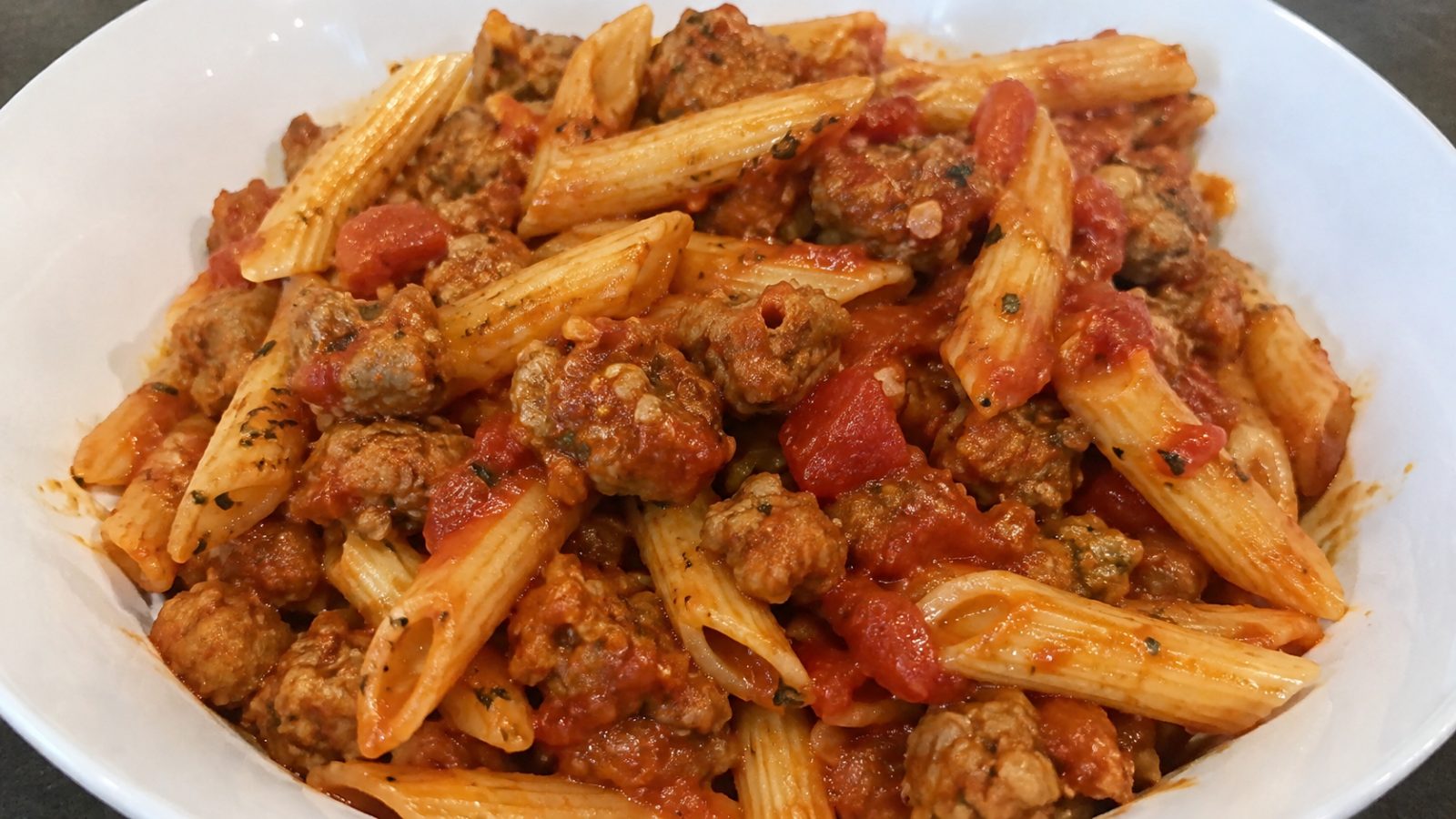
Some dinners earn a permanent spot in your weekly rotation because they are simple, filling, and packed with flavor. This Easy Italian Sausage Tomato Pasta is exactly that kind of meal. Juicy browned sausage, a garlicky tomato sauce, and tender pasta come together in one pan and one pot, with no special skills required. Whether you are feeding a hungry family on a Tuesday night or putting together a relaxed dinner for friends, this recipe delivers deep, savory flavor without a long list of fussy steps.
Key Takeaways
- Browning the sausage well builds the flavor base of the entire sauce.
- Canned whole tomatoes, crushed by hand, give a fresher and sweeter sauce than most jarred options.
- Reserved pasta water is the secret to a silky sauce that clings to every noodle.
- The dish takes about 35 minutes and uses pantry staples.
- Leftovers reheat beautifully and often taste even better the next day.
Why This Pasta Is a Weeknight Favorite
Italian cooking at its best relies on a few good ingredients treated with care, and this dish follows that idea closely. The sausage brings fat, salt, fennel, and spice. The tomatoes bring brightness and acidity. The pasta carries everything together. When each element is cooked properly, the result tastes like something that simmered for hours, even though it did not.
Another reason this recipe works so well is its flexibility. You can use mild or hot sausage, swap the pasta shape, add vegetables, or finish it with cream if you want a richer feel. It is forgiving, which makes it a great choice for beginners and a reliable fallback for experienced cooks who want dinner on the table fast.
It is also budget friendly. A pound of sausage, a can of tomatoes, an onion, and a box of pasta can comfortably feed four people with leftovers to spare. Few meals offer this much satisfaction for so little money and effort.
Ingredients You Need
Gathering everything before you start makes the cooking process smooth and stress free. Here is what you will need for four to six servings:
- 1 pound (450 g) Italian sausage, mild, sweet, or hot, casings removed
- 12 ounces (340 g) dried pasta such as rigatoni, penne, or fusilli
- 1 tablespoon olive oil
- 1 medium yellow onion, finely diced
- 4 cloves garlic, minced
- 1 can (28 ounces) whole peeled tomatoes, preferably San Marzano style
- 2 tablespoons tomato paste
- 1 teaspoon dried oregano
- 1/2 teaspoon red pepper flakes, optional
- 1/2 cup dry red or white wine, optional
- 1 cup reserved pasta water
- 1/2 cup freshly grated Parmesan cheese, plus more for serving
- A handful of fresh basil leaves
- Salt and black pepper to taste
Most of these items are pantry or refrigerator staples. If you do not have wine, a splash of chicken broth or even a little extra pasta water works well for deglazing the pan.
Choosing the Right Italian Sausage
The sausage is the star of this meal, so it is worth thinking about which kind to buy. Italian sausage typically comes in three styles: sweet (also sold as mild), hot, and sometimes a seasoned variety with extra herbs or cheese.
Sweet Italian sausage is seasoned with fennel and garlic, with little to no heat. It is a safe choice for families and children. Hot Italian sausage adds red pepper flakes to the same base and gives the sauce a gentle, lingering warmth. If you want a balanced result, try using half mild and half hot sausage.
Look for sausage with a good fat content. Lean turkey sausage can work, but it tends to dry out and does not release as much flavorful fat for building the sauce. If you can only find links, simply slit the casing with a knife and squeeze the meat out. If you have access to a butcher, ask for fresh bulk sausage, which is already loose and ready to brown.
Step-by-Step Instructions
Step 1: Start the Pasta Water
Fill a large pot with water and bring it to a rolling boil. Add a generous amount of salt, about one tablespoon for every quart of water. The water should taste lightly seasoned, like mild broth. This is your only chance to season the pasta itself, so do not skip it.
Step 2: Brown the Sausage
Heat the olive oil in a large, deep skillet over medium-high heat. Add the sausage and break it into bite-sized pieces with a wooden spoon. Let it sit undisturbed for a couple of minutes at a time so it develops deep golden-brown edges. This process takes about 7 to 8 minutes. Those browned bits on the bottom of the pan are packed with flavor, so do not rush this step.
Once the sausage is cooked through, use a slotted spoon to move it to a plate. Leave about two tablespoons of rendered fat in the skillet and discard the rest if there is a lot.
Step 3: Build the Flavor Base
Lower the heat to medium and add the diced onion to the same skillet. Cook for 4 to 5 minutes, stirring occasionally, until soft and translucent. Add the garlic and cook for another 30 seconds until fragrant. Stir in the tomato paste and cook for one to two minutes, letting it darken slightly. This small step adds a sweet, concentrated tomato depth that makes the sauce taste slow cooked.
Step 4: Deglaze the Pan
Pour in the wine, if using, and scrape up the browned bits from the bottom with your spoon. Let it bubble for about two minutes until mostly reduced. This lifts all that savory flavor into the sauce.
Step 5: Simmer the Tomatoes
Pour the canned tomatoes into a bowl and crush them with your hands, or crush them directly in the pan with a spoon. Add them to the skillet along with their juices, the oregano, red pepper flakes, and a pinch of salt. Return the sausage to the pan. Bring the sauce to a gentle simmer and cook uncovered for 15 minutes, stirring now and then, until slightly thickened.
Step 6: Cook the Pasta
While the sauce simmers, cook the pasta in the boiling water according to the package directions, but pull it out about one minute early. It will finish cooking in the sauce. Before draining, scoop out one cup of the starchy pasta water and set it aside.
Step 7: Bring It All Together
Add the drained pasta directly to the skillet with the sauce. Pour in about half a cup of the reserved pasta water and stir over medium heat for one to two minutes. The starch in the water helps the sauce cling to the pasta and turn glossy. If it looks too thick, add more water a splash at a time. Remove from the heat, stir in the Parmesan, and tear in the fresh basil. Taste and adjust the salt and pepper.
Tips for the Best Flavor
A few small habits make a big difference in how this dish turns out.
Do not crowd the pan when browning. If the sausage is packed too tightly, it steams instead of browning. Use a wide skillet, and if necessary, brown the meat in two batches.
Use good canned tomatoes. Because the sauce has few ingredients, the quality of the tomatoes matters. Whole peeled tomatoes packed in juice usually taste better than pre-crushed versions, which can be watery or metallic.
Balance the acidity. If your sauce tastes sharp, add a pinch of sugar or a small knob of butter at the end. A grated carrot cooked with the onion also adds natural sweetness.
Save that pasta water. Starchy water is liquid gold. It emulsifies the sauce, loosens it without thinning the flavor, and helps the cheese melt smoothly.
Finish with fresh ingredients. Basil, parsley, a drizzle of good olive oil, and freshly grated cheese brighten the dish right before serving. Pre-shredded cheese often contains anti-caking agents that keep it from melting well, so grate your own when you can.
Season in layers. Salt the pasta water, season the onions, and taste the sauce before adding cheese. Building seasoning gradually creates a more rounded flavor than adding it all at the end.
Delicious Variations to Try
Once you have mastered the base recipe, there are plenty of ways to change it up without losing its comforting character.
Creamy version: Stir in 1/2 cup of heavy cream or mascarpone at the end for a soft, blush-colored sauce. This is especially good with hot sausage, since the cream mellows the spice.
Veggie-packed version: Add sliced bell peppers, zucchini, or mushrooms after the onions. A few handfuls of baby spinach or kale stirred in at the end wilts down beautifully and adds color and nutrition.
Baked version: Toss the finished pasta with mozzarella, transfer it to a baking dish, top with extra cheese, and bake at 400°F (200°C) for 15 to 20 minutes until bubbly and golden.
Spicy arrabbiata style: Double the red pepper flakes and add a few sliced Calabrian chilies for a fiery kick.
Lighter version: Use chicken or turkey Italian sausage, whole wheat pasta, and extra vegetables. You will cut down on fat while keeping plenty of flavor.
Gluten-free option: Swap in your favorite gluten-free pasta. Rice-based and chickpea pastas hold up well to hearty sauces like this one, though they cook faster, so watch the timing.
What to Serve With It
This pasta is hearty enough to stand on its own, but a few simple sides round out the meal nicely. A crisp green salad with lemon vinaigrette cuts through the richness. Garlic bread or a crusty baguette is perfect for mopping up the last of the sauce. Roasted broccoli, sautéed green beans, or a simple arugula salad with shaved Parmesan also pair well.
For drinks, a medium-bodied red wine such as Chianti or Sangiovese complements the tomato and sausage beautifully. If you prefer something non-alcoholic, sparkling water with a squeeze of lemon or a tart cherry juice spritzer makes a refreshing match.
Storage and Reheating Tips
Leftovers store well. Let the pasta cool to room temperature, then transfer it to an airtight container and refrigerate for up to four days. The pasta will absorb some of the sauce as it sits, so add a splash of water or broth when reheating to loosen it up. Warm it gently in a skillet over medium-low heat or in the microwave in short intervals, stirring in between.
To freeze, store the sauce separately from the pasta if possible. The sauce freezes for up to three months in a freezer-safe container. Thaw it overnight in the refrigerator, reheat it on the stove, and toss it with freshly cooked pasta for the best texture. If you freeze the dish already combined, expect the noodles to be a little softer after reheating.
Common Mistakes to Avoid
Even simple recipes have a few traps. Overcooking the pasta is the most common one, so remember it will keep cooking in the hot sauce. Skipping the browning step leaves the sausage pale and the sauce flat. Using too little salt in the pasta water makes the whole dish taste dull, no matter how well the sauce is seasoned. Finally, adding all the cheese while the pan is still over high heat can make it clump, so remove the skillet from the burner before stirring it in.
Frequently Asked Questions
Can I make this recipe ahead of time?
Yes. The sauce can be made up to three days in advance and stored in the refrigerator. Reheat it gently, then cook fresh pasta and combine them just before serving for the best texture.
What pasta shape works best?
Short, sturdy shapes like rigatoni, penne, and fusilli hold the chunky sausage and sauce well. Long shapes such as spaghetti or fettuccine also work if you prefer them.
Can I use fresh tomatoes instead of canned?
Yes, but choose ripe, flavorful tomatoes such as Roma. You will need about two pounds, peeled and chopped, and the sauce may need an extra 10 minutes to simmer down.
How do I make it less greasy?
After browning the sausage, drain off excess fat and leave only about two tablespoons in the pan. You can also choose a leaner sausage or blot the cooked meat with a paper towel.
Is it possible to make this dish dairy-free?
Absolutely. Skip the Parmesan or replace it with a plant-based alternative or nutritional yeast. The sauce is naturally dairy-free without the cheese.
What can I use instead of wine?
Chicken broth, vegetable broth, or a splash of pasta water all work. If you want a little acidity, add a teaspoon of red wine vinegar or lemon juice at the end.
With a handful of affordable ingredients and a few smart techniques, you can bring a restaurant-quality meal to your table on even the busiest evening. Brown the sausage well, simmer the tomatoes gently, and use that starchy pasta water to bring everything together. Make it your own with extra vegetables, a touch of cream, or a bit more heat, and enjoy leftovers the next day. Once you try this Easy Italian Sausage Tomato Pasta, it will quickly become one of those dependable recipes you return to again and again.