
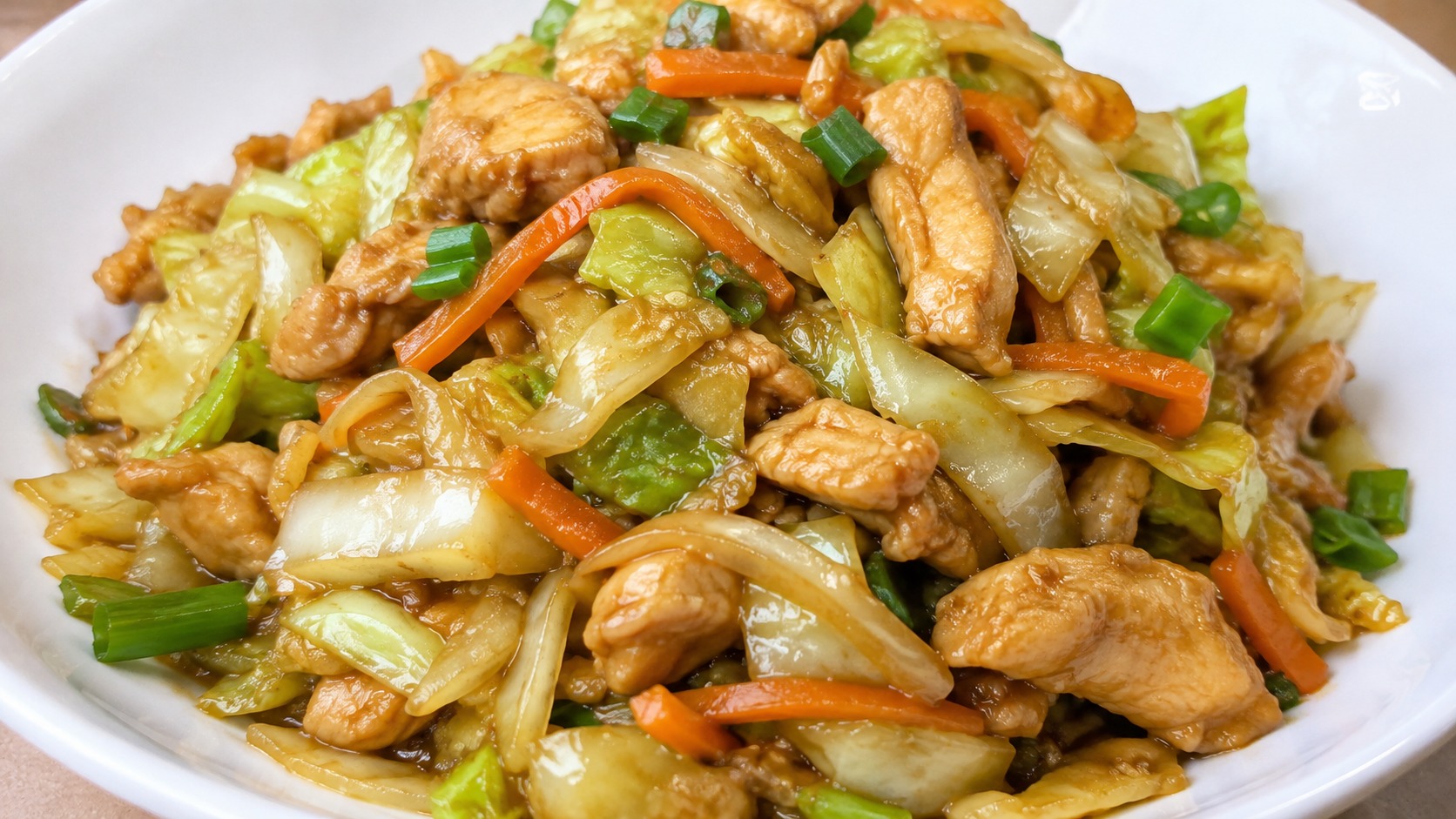
Chinese chicken cabbage stir-fry is one of the best options in your recipe rotation. It combines tender strips of chicken, crisp cabbage, and a savory sauce that clings to every bite. This dish is popular for good reason: it’s light, budget-friendly, and endlessly adaptable to whatever vegetables or seasonings you have on hand. Whether you’re new to stir-frying or you’ve been tossing woks for years, this guide walks through everything you need to make a restaurant-quality version at home, from ingredient selection to plating tips.
Stir-frying is one of the fastest cooking methods in any cuisine, and cabbage happens to be one of the most forgiving vegetables to cook this way. It holds its shape, soaks up flavor, and adds a satisfying crunch that pairs beautifully with juicy chicken. Below, you’ll find a full breakdown of technique, ingredient swaps, nutritional notes, and answers to the most common questions people ask about making this dish.
Key Takeaways
- A hot pan or wok and quick cooking times are the secrets to keeping cabbage crisp and chicken juicy.
- Basic pantry staples like soy sauce, garlic, ginger, and sesame oil create most of the flavor base.
- This dish is naturally low in carbs and can be made gluten-free with simple swaps.
- Leftover chicken or a rotisserie bird work well when you’re short on time.
- The recipe is flexible enough to add carrots, bell peppers, mushrooms, or noodles without losing its character.
Why This Dish Works So Well
The magic behind a great chicken and cabbage stir-fry comes down to contrast. You want tender protein, crunchy vegetables, and a sauce that’s salty, slightly sweet, and a touch tangy. Cabbage is ideal here because it doesn’t wilt into mush the way spinach or bok choy sometimes can if you overcook them. Instead, it stays slightly crisp even after a few minutes in a hot pan, giving the finished dish real texture.
Chicken breast or thigh meat cooks quickly when sliced thin, which matters a lot in stir-frying. The entire cooking process for most stir-fries takes place over high heat in a matter of minutes, so thin, even slices ensure the meat cooks through without drying out. Marinating the chicken briefly in soy sauce, a little cornstarch, and rice wine also helps keep it moist and gives it a silky texture that’s common in Chinese home cooking.
Ingredients That Make the Dish Shine
A traditional version of this recipe doesn’t require anything exotic. Most of what you need is likely already in your kitchen or easy to find at any grocery store.
For the chicken marinade:
- Boneless chicken breast or thigh, thinly sliced
- Light soy sauce
- Shaoxing wine or dry sherry (optional but traditional)
- Cornstarch
- A pinch of white pepper
For the stir-fry:
- Green or napa cabbage, roughly chopped
- Garlic, minced
- Fresh ginger, minced
- Scallions, sliced
- Dried chili flakes (optional, for heat)
- Neutral oil with a high smoke point, such as avocado or peanut oil
For the sauce:
- Soy sauce
- Oyster sauce (or a vegetarian mushroom-based substitute)
- A small amount of sugar to balance saltiness
- Sesame oil for finishing
- A splash of chicken stock or water to loosen the sauce
Each of these ingredients plays a specific role. The cornstarch in the marinade coats the chicken and locks in moisture, while the sugar in the sauce keeps the dish from tasting too salty or one-note. If you like a bit of tang, a small splash of rice vinegar at the end brightens everything up nicely.
Step-by-Step Cooking Technique
Preparing the Chicken and Vegetables
Start by slicing the chicken into thin, even strips against the grain. This shortens the muscle fibers and makes the meat more tender once cooked. Toss the slices with soy sauce, a splash of wine, cornstarch, and white pepper, then let them sit for about fifteen minutes while you prepare the vegetables.
While the chicken marinates, chop the cabbage into bite-sized pieces. Napa cabbage tends to cook a little faster and has a milder flavor, while green cabbage holds up longer and offers more crunch. Either works well, so pick whichever you have or prefer. Mince the garlic and ginger finely, since they’ll cook quickly and you don’t want large chunks that burn.
Stir-Frying Chicken and Cabbage the Right Way
Heat your wok or a large skillet until it’s very hot before adding oil. This step matters more than most people realize: a properly heated pan prevents sticking and helps achieve that slightly charred flavor known as “wok hei” in Chinese cooking. Add the chicken in a single layer and let it sear for about a minute before stirring, then continue cooking until it’s just cooked through. Remove it from the pan and set it aside.
In the same pan, add a bit more oil if needed, then toss in the garlic and ginger for about ten seconds, just until fragrant. Add the cabbage next and stir constantly over high heat. The goal is to cook it quickly so it softens slightly at the edges but keeps a satisfying bite in the center. This usually takes two to three minutes, depending on how finely you’ve chopped it.
Once the cabbage reaches the texture you like, return the chicken to the pan along with the prepared sauce. Toss everything together for another minute so the sauce thickens slightly and coats every piece. Finish with a drizzle of sesame oil and a sprinkle of scallions before removing the pan from the heat.
Nutritional Benefits Worth Knowing
This dish tends to be lighter than many takeout options because it relies on a small amount of oil and skips heavy breading or deep frying. Cabbage is rich in fiber and vitamin C, and it contains compounds that have been studied for their potential anti-inflammatory properties. Chicken breast, meanwhile, is a lean source of protein that supports muscle maintenance without adding excessive fat.
Because the recipe uses simple, whole ingredients, it’s easy to adjust for different dietary needs. Swapping regular soy sauce for a low-sodium or gluten-free tamari version makes the dish suitable for people watching their sodium intake or avoiding gluten. Reducing the sugar in the sauce or skipping the cornstarch slurry can also lower the overall carbohydrate count if that’s a priority.
Variations and Add-Ins
One of the best parts of a stir-fry is how easily it can be adapted. A few popular variations include:
- Adding noodles. Toss in cooked egg noodles or rice noodles at the end to turn this into a heartier one-pan meal.
- Extra vegetables. Shredded carrots, sliced bell peppers, snap peas, or mushrooms all work well alongside the cabbage.
- Spicier version. Add fresh sliced chilies or a spoonful of chili crisp for extra heat.
- Protein swaps. Shrimp, pork, or tofu can replace the chicken if you want to switch things up.
- Aromatic boost. A splash of black vinegar or a spoonful of fermented bean paste adds depth for those who enjoy bolder flavors.
These small changes let you make the same base recipe feel new every time you cook it, which is part of why stir-fries remain such a staple in home kitchens.
Common Mistakes to Avoid
Even a simple dish like this can go wrong in a few predictable ways. Overcrowding the pan is one of the most frequent issues; when there’s too much food at once, the pan loses heat and everything ends up steaming instead of searing, which leads to soggy vegetables and rubbery chicken. Cooking in batches, especially with the chicken, helps avoid this problem.
Another common mistake is skipping the marinade step entirely. Without it, the chicken can turn out dry or bland, since the cornstarch coating is what helps keep moisture locked in during the quick cooking process. Finally, adding the sauce too early can cause the vegetables to become watery rather than crisp, so it’s best to save the sauce for the final minute of cooking.
Serving Suggestions
This stir-fry pairs naturally with steamed white or brown rice, which soaks up the sauce nicely. For a lower-carb option, serve it over cauliflower rice or alongside a simple cucumber salad. Many people also enjoy it wrapped in lettuce leaves for a lighter, handheld version of the meal. If you’re feeding a crowd, doubling the recipe and serving it family-style with a few other Chinese-inspired dishes, like garlic green beans or hot and sour soup, rounds out the meal nicely.
Frequently Asked Questions
Can I use a different cabbage variety? Yes. Napa cabbage, green cabbage, and even savoy cabbage all work well. Napa tends to cook faster and taste milder, while green cabbage holds its crunch a bit longer during cooking.
Is this dish gluten-free? It can be, as long as you swap regular soy sauce for a certified gluten-free tamari and check that your oyster sauce or substitute doesn’t contain wheat-based additives.
How do I keep the chicken from turning tough? Slice it thinly against the grain, marinate it briefly with cornstarch, and avoid overcooking it. Removing the chicken from the pan once it’s just cooked through, then adding it back later, also helps.
Can I make this ahead of time? You can prep the chicken and chop the vegetables a day in advance, but it’s best to actually cook the dish fresh, since cabbage loses its crisp texture if it sits too long after cooking.
What can I use instead of oyster sauce? A mushroom-based vegetarian oyster sauce works well, or you can use a mix of soy sauce and a small amount of sugar for a similar sweet-savory balance.
How spicy is this recipe by default? As written, it’s mild. Heat is entirely optional and comes from add-ins like chili flakes or fresh chilies, so you can adjust it to your preference.
Bringing everything together, this recipe proves that a satisfying, flavorful dinner doesn’t need to be complicated or time-consuming. With a hot pan, a handful of pantry staples, and a few minutes of active cooking, you can put together a version of chinese chicken cabbage stir-fry that rivals anything from a takeout menu, while still being lighter, cheaper, and easy to customize to your own taste.