
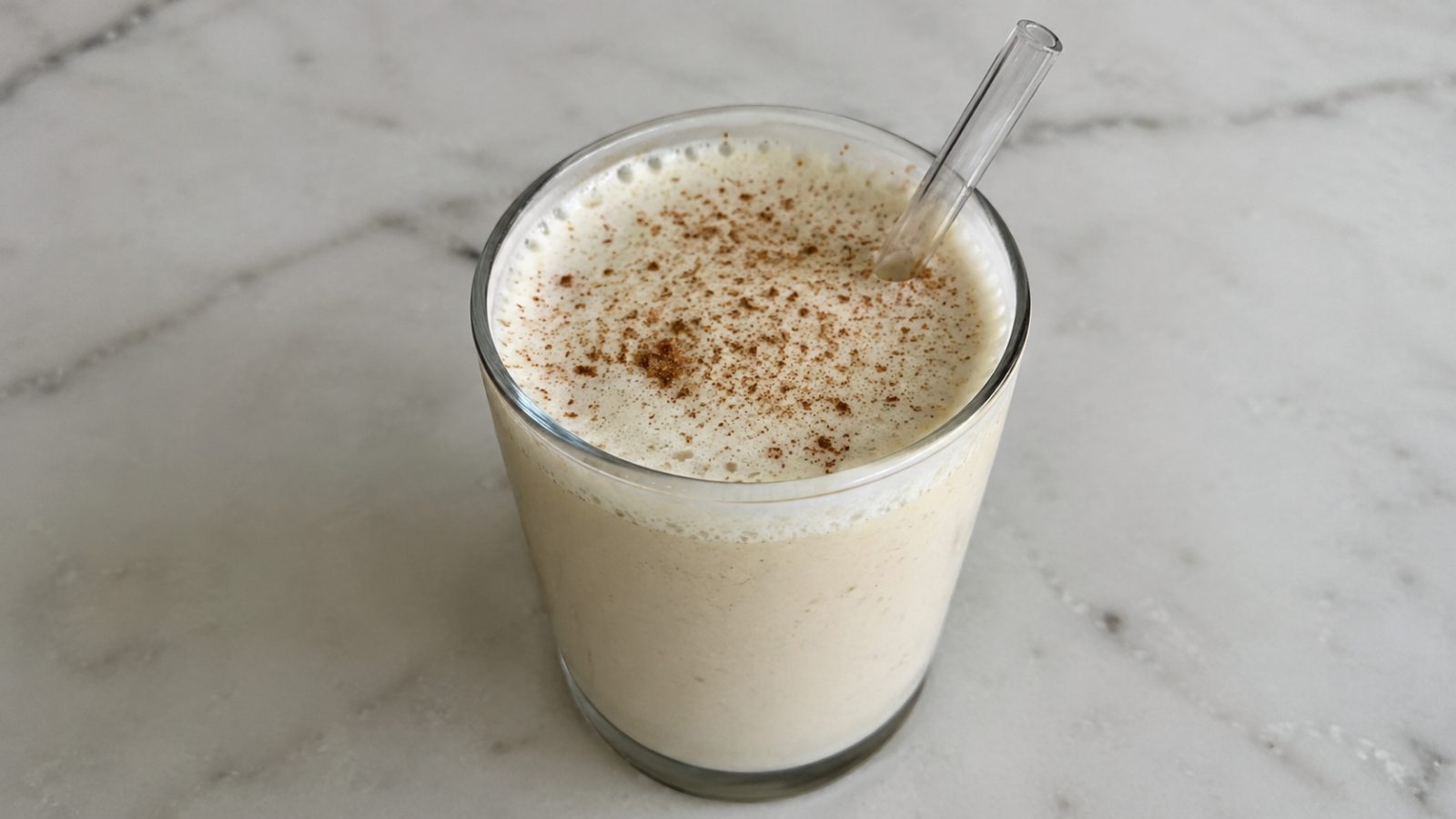
If your morning routine involves a coffee in one hand and a rushed breakfast in the other, it might be time to combine the two. A vanilla protein latte gives you the smooth comfort of a café drink along with a serious dose of protein, all in one cup. It keeps you full, supports your fitness goals, and tastes like a treat rather than a supplement. This guide walks you through the benefits, the ingredients, the exact method, and the troubleshooting tips that make the difference between a silky drink and a lumpy disappointment.
Key Takeaways
- A protein latte combines coffee, milk, and protein powder to deliver roughly 15 to 30 grams of protein per serving.
- Mixing the protein powder with a small amount of cool liquid first prevents clumps and a chalky texture.
- Whey, casein, and plant-based powders all work, but each behaves differently in hot coffee.
- You can enjoy the drink hot or iced, and it adapts easily to low-sugar, dairy-free, and high-calorie versions.
- Preparing it at home costs far less than buying a ready-made protein coffee.
What Is a Protein Latte and Why Is It So Popular?
A protein latte is a standard latte with one important upgrade: a scoop of protein powder blended into the milk or the coffee. The base is simple. You need espresso or strong brewed coffee, steamed or cold milk, and a protein source. Vanilla is the most popular flavor because it blends well with coffee, adds gentle sweetness without being overpowering, and works with nearly every type of milk.
The trend has grown quickly for a few reasons. First, more people are paying attention to daily protein intake, especially those who lift weights, run, or follow structured nutrition plans. Second, busy schedules make it hard to sit down for a full breakfast. A drink that delivers caffeine and protein together saves time. Third, social media has made protein coffee recipes visible everywhere, and people love how customizable they are.
Unlike many bottled protein drinks, a homemade version lets you control the sugar, the type of milk, the strength of the coffee, and the brand of protein. That control is a big part of why home baristas have embraced it.
Nutritional Benefits of Adding Protein to Your Coffee
Plain coffee provides caffeine and antioxidants but almost no calories or protein. Adding protein turns it into something closer to a mini meal or a satisfying snack. Here is what you can expect.
Better satiety. Protein is the most filling macronutrient. A latte with 20 grams or more of protein can keep hunger away for hours, which helps reduce mid-morning snacking.
Muscle support. Whether you train regularly or simply want to maintain muscle as you age, spreading protein across the day is helpful. A morning protein coffee gives you an early contribution to your daily total.
Steadier energy. Caffeine alone can sometimes lead to jitters followed by a crash. Protein slows digestion slightly, which many people find leads to a smoother energy curve.
Convenience. It takes about five minutes to prepare, requires almost no cleanup, and travels well if you make the iced version in a shaker bottle.
Keep in mind that the exact nutrition depends on your ingredients. Whole milk with a whey powder will look very different on a label than unsweetened almond milk with a plant protein. Reading the labels on your products is the best way to match the drink to your goals.
Ingredients You Need
You do not need a complicated pantry for this recipe. Here is the basic list for one serving.
- 1 shot of espresso or 1/2 cup of strong brewed coffee. A moka pot, Aeropress, or even instant espresso powder works well.
- 3/4 cup of milk. Dairy milk, soy milk, oat milk, or almond milk all work.
- 1 scoop of vanilla protein powder. Usually about 25 to 35 grams of powder, depending on the brand.
- 1 to 2 teaspoons of sweetener (optional). Honey, maple syrup, stevia, or sugar-free vanilla syrup can boost sweetness if your powder is mild.
- A pinch of cinnamon or a drop of vanilla extract (optional). These small additions make the drink taste more like a café creation.
Useful equipment includes a handheld milk frother, a small whisk, a blender bottle, or a standard blender. A frother is the most affordable tool that delivers a consistently smooth texture.
Choosing the Right Protein Powder
The powder you pick has a major impact on flavor and texture, so it is worth spending a moment on this choice.
Whey protein. Whey is the most common option. It dissolves easily and tastes creamy. The main caution is heat. If you add whey directly to very hot coffee, it can clump or curdle. Letting the coffee cool slightly or blending the powder into cool milk first solves the problem.
Casein protein. Casein is thicker and creates a pudding-like texture. In a latte, it can make the drink feel richer and more indulgent, though it may need extra liquid to stay drinkable.
Plant-based protein. Pea, rice, soy, and blended plant proteins are ideal for people avoiding dairy. They can taste slightly earthy, so a good vanilla flavor and a touch of sweetener help. Many brands now produce plant powders with a very smooth finish.
Collagen. Collagen peptides dissolve easily in hot liquids and do not clump. However, collagen is not a complete protein, so it works best as a supplement to other protein sources rather than a replacement.
When shopping, look for a powder with a short ingredient list, a flavor you actually enjoy on its own, and a protein content of at least 20 grams per scoop. Third-party testing labels can also provide extra confidence in quality.
Step-by-Step Recipe for a Hot Protein Latte
Follow these steps for a smooth, café-style result.
Step 1: Brew your coffee. Pull a shot of espresso or brew a strong half cup of coffee. Strong coffee is important because the milk and protein will mellow the flavor.
Step 2: Make a protein slurry. In a mug or shaker, add the scoop of vanilla protein powder. Pour in about two tablespoons of cool milk and stir until you have a thick, smooth paste. This is the single most important step for avoiding clumps.
Step 3: Heat the milk. Warm the remaining milk on the stove or in the microwave until it is steaming but not boiling. Overheating can damage protein and create a skin on the surface.
Step 4: Combine. Slowly pour the warm milk into the protein paste while whisking or frothing. The mixture should become smooth and slightly foamy.
Step 5: Add the coffee. Pour in your espresso or brewed coffee and stir gently. If you want extra foam, give the drink a final pass with the frother.
Step 6: Taste and adjust. Add sweetener, cinnamon, or an extra drop of vanilla if needed. Serve immediately for the best texture.
The whole process takes about five minutes, and once you have done it twice, it becomes second nature.
How to Make It Iced
On warm days, an iced protein latte is arguably even better than the hot version, and it is easier to prepare because there is no risk of heat-related clumping.
- Add the protein powder and about 1/2 cup of cold milk to a shaker bottle or blender.
- Shake or blend for 20 to 30 seconds until completely smooth.
- Fill a tall glass with ice.
- Pour the protein milk over the ice.
- Add chilled espresso or cold brew coffee on top.
- Stir lightly and enjoy.
Cold brew concentrate is a great choice here because it is smooth and low in acidity. If you prep ahead, you can brew a batch of cold brew on Sunday and keep it in the fridge for several days. That makes weekday mornings much faster.
For a frothy café look, blend the protein, milk, and a few ice cubes together. The result is a thick, frosty drink that sits somewhere between a latte and a milkshake.
Tips to Avoid Clumps and a Chalky Texture
Even a good recipe can go wrong if the technique is off. These tips solve the most common problems.
Always use a slurry. Mixing powder with a small amount of cool liquid first gives it time to hydrate evenly before it meets heat or volume.
Let hot coffee rest. Freshly brewed coffee is often near 90 degrees Celsius. Waiting two to three minutes lowers the temperature enough to protect the protein.
Use a frother or blender. Stirring with a spoon rarely breaks up every particle. A frother takes about ten seconds and makes a visible difference.
Add fat for creaminess. A splash of whole milk, a teaspoon of nut butter, or a spoonful of Greek yogurt can round out a thin or chalky texture.
Do not overdo the powder. One scoop is usually plenty. Two scoops in a small cup can create a gritty, overly thick drink.
Try a different brand. Texture varies a lot between products. If one powder always tastes chalky, the problem may be the powder rather than your method.
Flavor Variations to Try
Once you master the base recipe, the variations are nearly endless.
Cinnamon roll latte. Add a generous pinch of cinnamon and a drop of maple syrup for a dessert-like flavor.
Caramel swirl. Stir in a teaspoon of sugar-free caramel syrup and top with a light drizzle.
Mocha twist. Add a teaspoon of unsweetened cocoa powder to the protein paste before adding milk.
Pumpkin spice. In autumn, add a spoonful of pumpkin puree and a pinch of pumpkin pie spice.
Coconut vanilla. Use coconut milk and a few drops of coconut extract for a tropical feel.
Salted honey. A small drizzle of honey and a tiny pinch of sea salt create a sweet and savory balance that works surprisingly well with vanilla.
These tweaks let you rotate flavors weekly so the habit never gets boring.
Best Times to Enjoy a Protein Latte
Timing depends on your goals and your caffeine tolerance.
Morning replacement for breakfast. If you struggle to eat early, this drink offers a gentle way to start the day with protein and caffeine together. Pair it with a piece of fruit or a handful of oats if you need more calories.
Pre-workout fuel. Drinking one about 30 to 45 minutes before exercise supplies caffeine for focus and a little protein without feeling too heavy.
Afternoon pick-me-up. Instead of reaching for a sugary snack at 3 p.m., a small iced version can curb cravings and restore energy. Choose decaf if you are sensitive to caffeine later in the day.
Post-workout recovery. Some people prefer a cold, creamy drink after training. Just keep in mind that caffeine late in the day can affect sleep.
Most health organizations suggest limiting caffeine to about 400 milligrams per day for healthy adults, so keep track of your total intake from tea, soda, and other coffees as well.
Common Mistakes to Avoid
Even experienced home baristas slip up now and then. Watch out for these frequent errors.
- Pouring powder into boiling liquid. This is the number one cause of clumps and strange textures.
- Choosing a sweet powder and adding syrup. Many powders are already sweet, so double sweetening can become overwhelming. Taste first.
- Using weak coffee. The protein and milk dilute the coffee flavor, so a thin brew will taste flat.
- Ignoring portion size. Large servings with multiple scoops can push calories higher than expected. Measure your ingredients if you are tracking intake.
- Skipping the label. Some powders contain added sugars, fillers, or ingredients that may not suit dietary needs.
Avoiding these simple mistakes will save you money, time, and frustration.
Meal Prep and Make-Ahead Ideas
If mornings are chaotic, you can prepare the base the night before. Combine your protein powder and milk in a sealed jar or shaker, shake well, and refrigerate. In the morning, give it another shake, pour it over ice, and add your coffee. This works best for iced versions, since heating pre-mixed protein milk can sometimes change its texture.
You can also freeze coffee into ice cube trays. Using coffee ice cubes keeps your drink strong as it chills, because nothing melts and dilutes the flavor. Another smart trick is to make a batch of homemade vanilla syrup by simmering water, a little sugar or sweetener, and a vanilla bean or extract. Stored in the fridge, it lasts about two weeks and gives your latte a bakery-style aroma.
Who Should Be Careful With Protein Coffee?
For most healthy adults, a protein latte is a safe and enjoyable addition to the day. Still, a few groups should be thoughtful.
People with dairy allergies or lactose intolerance should choose plant-based powders and milks. Those with kidney conditions should speak with a healthcare professional before increasing protein intake significantly. Anyone who is pregnant, nursing, or sensitive to caffeine should watch their coffee amounts. Finally, people managing blood sugar should check the carbohydrate and sugar content of both the powder and the milk.
Protein drinks are a supplement to a balanced diet, not a replacement for whole foods such as vegetables, fruits, whole grains, and lean proteins. Treat the latte as a helpful tool rather than the foundation of your nutrition.
Frequently Asked Questions
Can I put protein powder directly into hot coffee?
You can, but it often clumps, especially with whey. For best results, mix the powder with a little cool milk first, then slowly add the warm liquid while whisking.
How much protein does a homemade protein latte contain?
Most versions provide between 15 and 30 grams of protein. The total depends on your powder, your milk, and whether you add extras like yogurt or nut butter.
Is a protein latte good for weight loss?
It can help because protein increases fullness and may reduce snacking. Calories still matter, so choose low-sugar ingredients and watch your portions.
Can I make it dairy-free?
Yes. Use a plant-based protein powder and a milk such as soy, oat, or almond. Soy and pea-based options tend to blend especially well.
Does it taste chalky?
It can if the powder is low quality or poorly mixed. A frother, a creamy milk, and a well-reviewed brand usually fix the problem.
How long can I store it?
It is best fresh, but you can refrigerate it in a sealed container for up to 24 hours. Shake or stir well before drinking.
Making coffee work harder for you is one of the easiest nutrition upgrades available, and the recipe is flexible enough to suit almost any taste or dietary need. With a good powder, a quick slurry, and a bit of frothing, you can turn a basic cup into a creamy, satisfying drink that supports your energy and your goals. Start with the simple hot recipe, experiment with flavors and iced versions, and soon your homemade vanilla protein latte will become the highlight of your daily routine.