
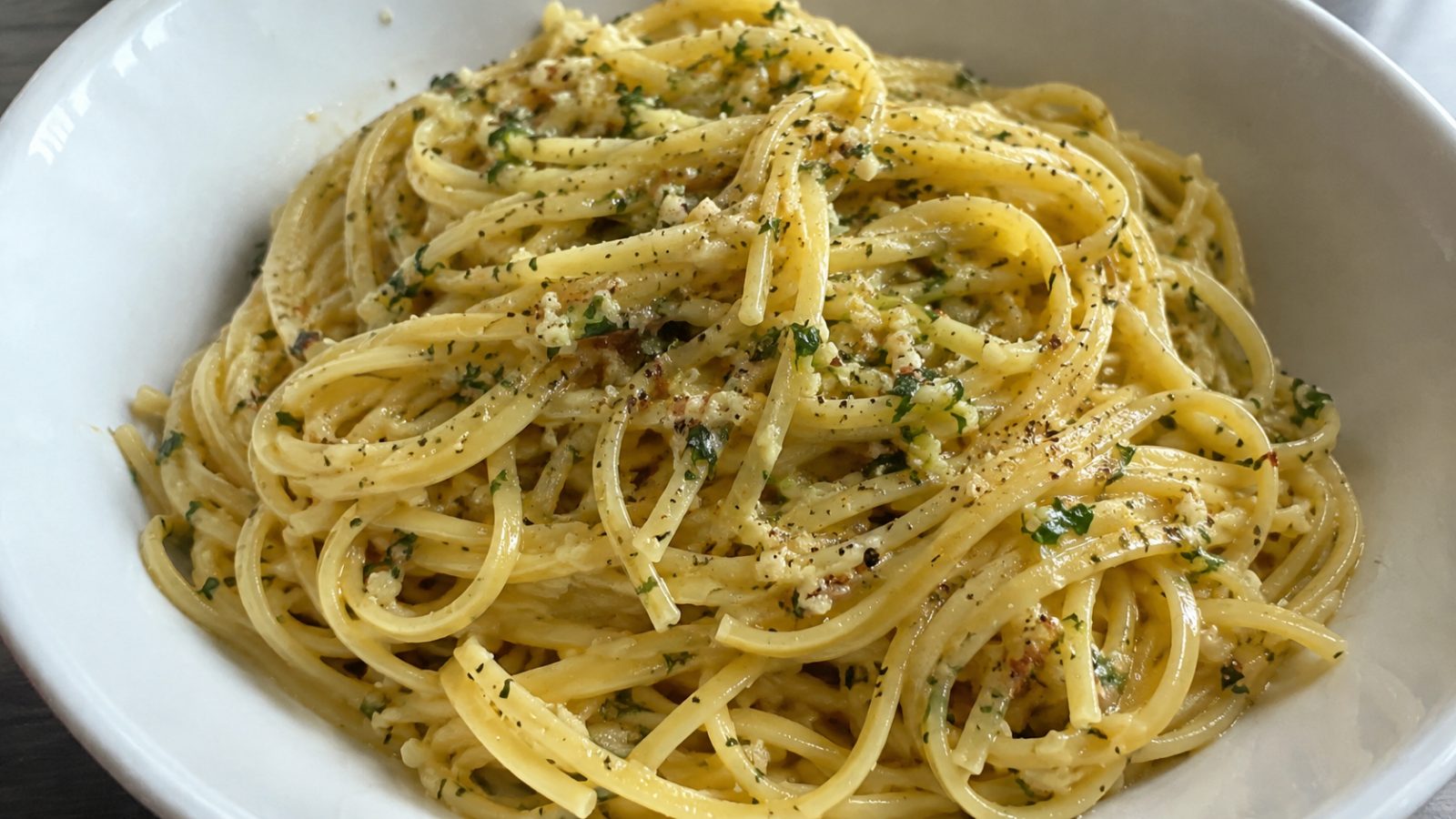
Some meals prove that you do not need a long ingredient list to create something memorable. A bowl of garlic butter pasta is one of them. With a handful of pantry staples and about twenty minutes, you can put a glossy, fragrant, deeply satisfying dinner on the table. It tastes like something from a cozy Italian trattoria, yet it is friendly enough for a busy Tuesday night.
In this guide, you will learn exactly how to build the sauce, which noodles work best, how to avoid common mistakes.
Key Takeaways
- The sauce comes together in one pan in roughly ten minutes, making this a true weeknight winner.
- Starchy pasta water is the secret ingredient that turns melted butter into a creamy, clinging sauce.
- Gently cooking the garlic over medium-low heat prevents bitterness and brings out a sweet, mellow flavor.
- The recipe is endlessly flexible, so you can add protein, vegetables, cheese, or spice to suit your mood.
- Leftovers keep well for several days when stored and reheated properly.
Why This Dish Works So Well
The appeal of this recipe comes down to balance. Butter brings richness and a silky texture, while garlic adds a savory, aromatic punch. Pasta acts as the perfect canvas, soaking up every drop of flavor. A squeeze of lemon, a pinch of chili flakes, and a handful of fresh parsley lift the whole thing so it never feels heavy.
There is also the practical side. The ingredients are inexpensive, the technique is forgiving, and the cleanup is minimal. You boil one pot and use one skillet. Beginners can master it on the first attempt, and experienced cooks can use it as a base for creative experiments.
Another reason people love this meal is speed. By the time your water reaches a boil and your pasta cooks, the sauce is nearly finished. There is no simmering for hours and no complicated reduction. Just good technique and a little attention.
Ingredients You Need
Here is what to gather for four generous servings:
- 12 ounces (340 grams) of dried spaghetti or linguine
- 6 tablespoons of unsalted butter
- 6 to 8 cloves of fresh garlic, thinly sliced or minced
- 2 tablespoons of extra virgin olive oil
- 1 cup of freshly grated Parmesan cheese
- 1/2 teaspoon of red pepper flakes (optional)
- 1/4 cup of chopped fresh parsley
- Juice and zest of half a lemon
- Salt and freshly ground black pepper
- 1 cup of reserved pasta cooking water
A Few Notes on the Ingredients
Butter: Unsalted butter gives you full control over seasoning. If you only have salted butter, simply reduce the salt you add to the pasta water and the sauce.
Garlic: Fresh cloves are essential. Jarred minced garlic often has a sharp, slightly sour taste that can overpower the dish. If you love garlic, feel free to go heavier, but keep the slices thin so they cook evenly.
Olive oil: A small amount of oil raises the smoke point of the butter and helps prevent browning too quickly. It also adds a subtle fruity note.
Parmesan: Buy a wedge and grate it yourself. Pre-grated cheese contains anti-caking agents that keep it from melting smoothly into the sauce.
Choosing the Best Pasta Shape
Long, thin noodles such as spaghetti, linguine, and fettuccine are the classic choice because they carry the sauce in glossy ribbons. Angel hair cooks fastest and gives a delicate result, but it can turn soft if you overcook it by even a minute.
If you prefer something with more bite, short shapes work beautifully too. Penne, rigatoni, and fusilli have ridges and hollows that trap the sauce. Shells and orecchiette cradle little pools of butter and garlic in every mouthful.
For a healthier spin, whole wheat pasta adds fiber and a nutty flavor. Chickpea and lentil pastas are great for higher protein, though they release a different kind of starch, so you may need slightly more pasta water to get the sauce right. Gluten-free options also work well as long as you cook them just until tender and avoid overdoing it.
Step-by-Step Instructions
Step 1: Boil the Pasta
Fill a large pot with water and bring it to a rolling boil. Add a generous amount of salt, about one tablespoon per two quarts of water. The water should taste lightly like the sea. Add your pasta and cook it according to the package directions, but pull it out one minute before the recommended time. It will finish cooking in the sauce.
Before draining, scoop out at least one cup of the starchy cooking water. This liquid is the key to the entire recipe, so do not skip it.
Step 2: Start the Garlic
While the pasta cooks, place a large, wide skillet over medium-low heat. Add the olive oil and two tablespoons of the butter. Once the butter melts and begins to foam gently, add the sliced garlic.
Cook the garlic for about one to two minutes, stirring often. You want it fragrant and pale golden, not dark brown. Burnt garlic turns bitter and cannot be rescued, so keep the heat gentle and stay close to the stove.
Step 3: Build the Sauce
Add the remaining butter to the skillet along with the red pepper flakes if you are using them. Let the butter melt completely. Pour in about half a cup of the reserved pasta water and stir. The mixture will bubble and begin to look slightly cloudy, which means the starch and fat are coming together.
Step 4: Combine Everything
Transfer the drained pasta directly into the skillet. Use tongs to toss it vigorously for a minute or two. The motion helps the starch emulsify the butter, creating a smooth, creamy coating on every strand. If the sauce looks tight or dry, add more pasta water a splash at a time until it becomes silky and loose.
Step 5: Finish and Serve
Remove the pan from the heat. Stir in the Parmesan, lemon zest, lemon juice, and parsley. Toss again, then taste and adjust with salt and black pepper. Serve right away, topped with an extra sprinkle of cheese and a few cracks of pepper. Pasta waits for no one, and it is best when hot and glossy.
Secrets for a Silky Sauce
Great results come from small details. Keep these techniques in mind every time you cook.
Do not rinse the pasta. Rinsing washes away the surface starch that helps the sauce cling. Drain it quickly and move it straight to the skillet.
Use the pasta water generously. Many cooks make the mistake of adding too little. The sauce should look slightly looser than you want it, because it thickens as it sits and as the cheese melts in.
Control the heat. Butter is delicate. High heat separates the milk solids and can leave you with a greasy, broken sauce. Medium-low heat during the garlic stage and off-heat when adding cheese gives the smoothest outcome.
Add acid at the end. Lemon juice brightens the richness and prevents the dish from tasting flat. Adding it off the heat preserves its fresh flavor.
Season in layers. Salt the pasta water, taste the sauce, and season again after adding the cheese. Parmesan is naturally salty, so wait before making your final adjustment.
Warm your bowls. A hot bowl keeps the butter fluid and the sauce creamy for longer. Simply run the bowls under hot water or place them in a low oven for a few minutes.
Tasty Variations to Try
Once you have the base technique down, you can transform this recipe in countless ways.
Add protein. Sautéed shrimp is a natural partner, as the sweetness of the seafood plays well against the garlic. Sliced grilled chicken, seared scallops, or crumbled Italian sausage also work. Cook the protein first, set it aside, and fold it back in at the end.
Load up on vegetables. Baby spinach wilts in seconds when tossed with the hot pasta. Cherry tomatoes burst and create little pockets of sweetness. Roasted broccoli, sautéed mushrooms, zucchini ribbons, and asparagus tips all add color and nutrition.
Make it creamy. For a more indulgent version, stir in a quarter cup of heavy cream or mascarpone after the garlic has softened. Let it simmer briefly before adding the pasta.
Add crunch. Toasted breadcrumbs sautéed in butter with a pinch of salt give a wonderful texture contrast. Chopped toasted walnuts or pine nuts are another elegant option.
Turn up the heat. Increase the chili flakes, add a sliced fresh chili, or finish with a drizzle of hot honey for a sweet and spicy kick.
Go dairy-free. Swap the butter for a quality plant-based butter and replace the Parmesan with nutritional yeast. Add a little extra olive oil to keep the sauce rich.
Try herbs. Basil, chives, oregano, and thyme each bring their own personality. Stirring in fresh herbs at the very end keeps their flavor bright.
Serving Ideas and Pairings
This dish is wonderful on its own, but a few thoughtful sides turn it into a full dinner party menu. A crisp green salad with a sharp vinaigrette cuts through the richness. Roasted vegetables such as tomatoes, bell peppers, or green beans add color to the table. Crusty garlic bread is a delicious extra for anyone who wants to mop up the last bits of sauce.
For protein-forward meals, pair the pasta with baked salmon, lemon herb chicken, or a simple steak. The buttery noodles act almost like a side dish, rounding out the plate with comfort and flavor.
If you enjoy wine with dinner, a dry white such as Pinot Grigio, Sauvignon Blanc, or Vermentino matches the buttery, lemony notes perfectly. For a non-alcoholic option, sparkling water with a slice of lemon keeps things light and refreshing.
Storing and Reheating
Leftovers can be refrigerated in an airtight container for up to three days. Because the noodles continue absorbing sauce as they sit, the dish will look drier the next day. That is completely normal and easily fixed.
To reheat, place the pasta in a skillet over low heat with a splash of water, broth, or milk. Stir gently until warmed through and the sauce loosens again. A small pat of fresh butter can bring back the original gloss. Microwaving works in a pinch: cover the bowl, heat in short intervals, and stir between each one.
Freezing is possible but not ideal, since the texture of both pasta and butter sauce can change. If you do freeze it, use it within one month and thaw overnight in the refrigerator before reheating gently.
Common Mistakes to Avoid
Even a simple recipe has a few traps. Watch out for these frequent errors:
- Burning the garlic. This is the number one problem. Keep the heat low and remove the pan briefly if the garlic colors too quickly.
- Overcooking the pasta. Soft noodles turn mushy once tossed in the pan. Aim for al dente.
- Skipping the pasta water. Without it, the butter and oil sit on the surface instead of forming a cohesive sauce.
- Using too little salt in the water. Pasta absorbs seasoning as it cooks, and bland noodles cannot be fixed with sauce alone.
- Adding cheese over high heat. Parmesan can clump and turn stringy if the pan is too hot. Take it off the burner first.
- Letting it sit too long. The sauce tightens as it cools, so serve immediately for the best texture.
Frequently Asked Questions
Can I use garlic powder instead of fresh garlic?
Fresh garlic gives the best flavor and aroma, but garlic powder can work in an emergency. Use about one teaspoon and add it to the melted butter for only a few seconds. Expect a flatter, less complex taste.
Why did my sauce turn greasy instead of creamy?
This usually means the butter separated because the heat was too high or too little pasta water was added. Remove the pan from the heat, add a splash of hot pasta water, and toss vigorously to bring the emulsion back together.
How many servings does this recipe make?
Twelve ounces of dried pasta serves about four people as a main course. You can easily double the recipe for a crowd, but use a larger pan so the noodles have room to toss properly.
Can I make the sauce ahead of time?
You can prepare the garlic butter base up to a day early and refrigerate it. When you are ready to eat, warm it gently, add fresh pasta water, and toss it with freshly cooked noodles for the best results.
What is the best cheese to use?
Parmigiano Reggiano is the classic choice for its nutty, salty depth. Pecorino Romano is sharper and works nicely if you prefer a bolder flavor. A blend of both is delicious.
Bringing It All Together
A great weeknight dinner does not have to be complicated. With good butter, fresh garlic, a little pasta water, and a few minutes of focused technique, you can create a meal that tastes far more impressive than the effort required. Once you understand the basics, you can adapt the recipe with shrimp, vegetables, herbs, or spice to keep things exciting week after week.
Give garlic butter pasta a place in your regular dinner rotation, and you will quickly see why it has become a favorite in so many kitchens. Cook it tonight, share it with people you love, and enjoy every silky, fragrant bite.