
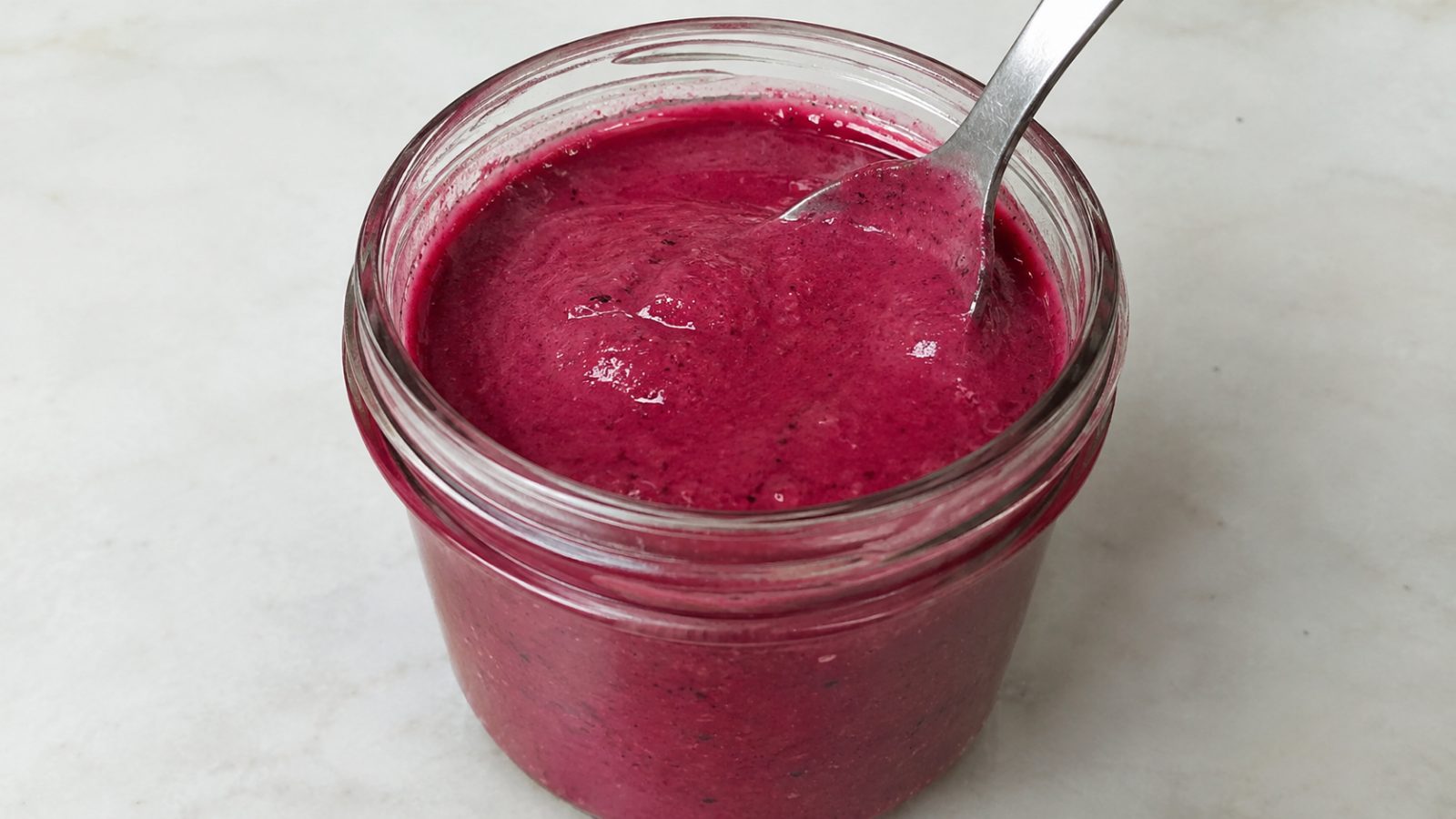
Earthy, sweet, and a little bit mineral, beets are one of the most rewarding vegetables to bring to the table, but they only shine when they are paired with the right sauce. A great beet salad dressing can soften the earthiness, highlight the natural sugar, and turn a simple bowl of roasted roots into something you would happily serve to guests. In this guide, you will find seven tested recipes, a simple formula for building your own blends, preparation tips, pairing ideas, and answers to common questions.
Key Takeaways
- Beets need a balance of acid, fat, and sweetness to taste their best.
- A simple ratio of three parts oil to one part acid is a reliable starting point for any vinaigrette.
- Creamy bases like yogurt, goat cheese, and tahini soften the earthy flavor for people who are new to beets.
- Most dressings can be made ahead and stored in the fridge for up to a week.
- Seasoning the beets themselves before dressing them makes every recipe taste better.
Why Beets Need the Right Dressing
Beets contain a compound called geosmin, the same molecule that gives soil its distinctive smell after rain. Some people love that flavor, while others find it overpowering. The good news is that geosmin responds well to acidity. A splash of vinegar or citrus juice cuts through the earthy notes and makes the sweetness of the vegetable come forward.
Fat plays a role too. Olive oil, nut oils, yogurt, and cheese coat the tongue and round out the flavor, so the beets taste smooth rather than sharp. Salt then pulls everything together. Without it, even the best roasted beets can taste flat.
Sweetness deserves a mention as well. Beets are naturally sweet, so you rarely need much added sugar. A teaspoon of honey or maple syrup is often enough to balance a sharp vinegar. If your dressing tastes too sweet, add more acid. If it tastes too sharp, add a touch more oil or a small drizzle of honey.
Finally, texture matters. Beets are dense and slightly firm even when tender, so a dressing that clings to them is ideal. Emulsified vinaigrettes and creamy sauces both do this well, while thin, watery dressings tend to slide off and pool at the bottom of the bowl.
The Basic Formula for Balanced Dressings
Once you understand the building blocks, you can improvise without a recipe. Think of every dressing as five components working together.
Fat: Extra virgin olive oil is the classic choice, but walnut oil, avocado oil, and toasted sesame oil add character. Use about three parts fat to one part acid for a vinaigrette.
Acid: Balsamic vinegar, red wine vinegar, apple cider vinegar, lemon juice, and orange juice all work. Each brings a different personality, from rich and syrupy to bright and zesty.
Sweetener: Honey, maple syrup, or pomegranate molasses soften the acid. Start with half a teaspoon and adjust.
Emulsifier: Dijon mustard is the easiest way to keep oil and vinegar from separating. A spoonful of tahini, yogurt, or mayonnaise does the same job in creamy versions.
Flavor boosters: Minced shallot, garlic, fresh herbs, citrus zest, horseradish, or toasted spices add depth. Choose one or two rather than all of them, so the beets stay the star.
Whisk the acid, sweetener, emulsifier, and salt first. Then drizzle in the oil slowly while whisking, or shake everything in a jar for about twenty seconds. Taste the dressing on a roasted beet, not from a spoon, because the vegetable changes how the flavors read.
Recipe 1: Classic Balsamic Vinaigrette
This is the dependable everyday option. Balsamic vinegar has a deep, fruity sweetness that echoes the beets without competing with them.
Ingredients: 3 tablespoons extra virgin olive oil, 1 tablespoon balsamic vinegar, 1 teaspoon Dijon mustard, 1 teaspoon honey, a pinch of salt, and a few grinds of black pepper.
Method: Whisk the vinegar, mustard, honey, salt, and pepper in a small bowl. Slowly stream in the olive oil until the mixture thickens slightly. Toss with warm roasted beets so they absorb the flavor.
This version pairs beautifully with arugula, toasted walnuts, and crumbled feta. It keeps for about a week in the fridge, though you should let it sit at room temperature for ten minutes and shake it before using.
Recipe 2: Orange Citrus Dressing
Orange and beet are a natural match. The juice brings sweetness and brightness, while the zest adds a fragrant, almost floral note.
Ingredients: 3 tablespoons olive oil, 3 tablespoons fresh orange juice, 1 tablespoon white wine vinegar, 1 teaspoon orange zest, 1 small minced shallot, salt, and pepper.
Method: Combine the juice, vinegar, zest, and shallot, and let them sit for five minutes so the shallot mellows. Whisk in the oil and season well.
Serve this over sliced golden beets with orange segments, fennel, and fresh mint. It is a fantastic choice for spring and summer lunches, and it works well with grilled chicken or seared salmon on the side.
Recipe 3: Creamy Goat Cheese Dressing
Ingredients: 2 ounces soft goat cheese, 3 tablespoons olive oil, 2 tablespoons lemon juice, 2 tablespoons warm water, 1 teaspoon honey, salt, and pepper.
Method: Blend or whisk the goat cheese with lemon juice and honey until smooth. Add the olive oil and then the warm water a little at a time until the sauce is pourable.
Drizzle it over roasted red beets with pistachios and baby greens. The creamy texture also makes it excellent as a spread on toast, topped with sliced beets for an easy appetizer.
Recipe 4: Tahini Lemon Dressing
Tahini brings a nutty richness that pairs wonderfully with roasted vegetables. It is also dairy free, which makes it a friendly option for mixed groups.
Ingredients: 3 tablespoons tahini, 3 tablespoons lemon juice, 3 tablespoons cold water, 1 small grated garlic clove, 1 teaspoon maple syrup, and a generous pinch of salt.
Method: Whisk the tahini and lemon juice together. The mixture will thicken at first, which is normal. Add the water gradually until it becomes smooth and creamy, then stir in garlic, maple syrup, and salt.
This dressing suits Middle Eastern inspired bowls with chickpeas, cucumber, parsley, and warm pita. A sprinkle of sesame seeds or za’atar on top adds a final layer of flavor.
Recipe 5: Horseradish Yogurt Dressing
Horseradish and beets have a long history together, especially in Eastern European cooking. The sharp heat cuts through the sweetness, and yogurt keeps it cool and balanced.
Ingredients: 1/2 cup plain Greek yogurt, 1 to 2 teaspoons prepared horseradish, 1 tablespoon apple cider vinegar, 1 tablespoon olive oil, 1 tablespoon chopped chives, salt, and pepper.
Method: Stir everything together and taste. Add more horseradish if you want extra heat, or a spoonful of water if the sauce feels too thick.
Spoon it over diced beets and boiled potatoes for a hearty side dish. It is also a great sauce for roast beef sandwiches when you have leftover beets in the fridge.
Recipe 6: Honey Mustard Dill Dressing
Fresh dill gives beets a clean, herbal lift, while mustard adds a gentle tang. This dressing feels lighter than the creamy options but still has plenty of personality.
Ingredients: 3 tablespoons olive oil, 1 tablespoon whole grain mustard, 1 tablespoon red wine vinegar, 2 teaspoons honey, 1 tablespoon chopped fresh dill, salt, and pepper.
Method: Whisk the mustard, vinegar, honey, and seasoning. Stream in the oil and finish with the dill just before serving so the herb stays bright green.
Try it with beets, sliced hard boiled eggs, cucumber, and rye croutons for a Scandinavian style plate. It also works nicely on a grain salad with farro or barley.
Recipe 7: Pomegranate Molasses Dressing
For something a little more unusual, pomegranate molasses offers a tart, complex sweetness that makes beets taste almost jewel-like. A small bottle lasts a long time, so it is worth keeping in the pantry.
Ingredients: 3 tablespoons olive oil, 1 tablespoon pomegranate molasses, 1 tablespoon lemon juice, 1/2 teaspoon ground cumin, salt, and pepper.
Method: Whisk the molasses, lemon juice, cumin, and salt until combined, then add the oil. The dressing should be glossy and slightly thick.
Pour it over roasted beets with labneh, toasted almonds, and fresh cilantro. The cumin gives it a warm, savory edge that makes the salad feel substantial enough for dinner.
How to Prepare Beets for the Best Results
Even the finest dressing cannot rescue poorly cooked beets, so it helps to get the base right.
Roasting is the best method for flavor. Trim the stems, leaving about an inch, and scrub the beets well. Wrap them individually in foil, or place them in a covered dish with a splash of water. Roast at 400°F (200°C) for 45 to 70 minutes, depending on size. They are done when a knife slides in easily. Once cool enough to handle, rub off the skins with a paper towel.
Boiling is faster and keeps the color vibrant. Cover whole, unpeeled beets with water, add a pinch of salt, and simmer for 30 to 45 minutes. Leaving the skins on prevents the color from bleeding into the water.
Steaming is gentler and preserves more nutrients. Cut the beets into wedges and steam for about 20 minutes.
Season the warm beets with a little salt and a splash of vinegar before adding the full dressing. Warm beets absorb flavor much more readily than cold ones, which means your salad tastes more integrated and less like vegetables sitting in a sauce.
If staining is a concern, wear gloves and use a plastic or glass bowl. A cutting board rubbed with lemon juice after use also helps lift the color. Golden and Chioggia beets are less messy and have a milder flavor, so they are good options for beginners.
Perfect Pairings for Beet Salads
The best salads combine contrasting textures and flavors. Here are some combinations that work consistently well.
Cheese: Goat cheese, feta, blue cheese, ricotta salata, and shaved Parmesan all complement beets. Salty and tangy cheeses cut through the sweetness.
Nuts and seeds: Toasted walnuts, pistachios, hazelnuts, pumpkin seeds, and sunflower seeds add crunch. Toasting them for a few minutes in a dry pan intensifies their flavor.
Greens: Peppery arugula, bitter radicchio, tender spinach, and crisp watercress give contrast. Dress the greens lightly and separately so they do not wilt.
Fruit: Oranges, apples, pears, grapefruit, and pomegranate seeds bring freshness and acidity.
Herbs: Mint, dill, parsley, tarragon, and chives each push the salad in a different direction, from cool and bright to savory and anise-like.
Proteins: Grilled chicken, smoked salmon, lentils, chickpeas, and soft boiled eggs turn a side dish into a complete meal.
Common Mistakes to Avoid
A few small errors can undermine an otherwise lovely salad. The first is dressing the beets too early when they are mixed with delicate greens or cheese. The acid will wilt leaves and the color will stain everything pink. Combine the components at the last moment, or arrange the beets on top rather than tossing them.
Another frequent issue is under-seasoning. Beets are dense and need more salt than you might expect. Taste a piece with the dressing and adjust before serving.
Using too much vinegar is also common. Beets already carry some natural acidity, and aggressive vinegar can make the dish harsh. Start with less, then add more gradually.
Finally, avoid using old or bitter olive oil. Because the dressing has only a few ingredients, quality matters. Fresh, fruity oil makes a noticeable difference.
Storage and Make-Ahead Tips
Vinaigrettes made with oil, vinegar, and mustard keep for up to one week in a sealed jar in the refrigerator. The oil may solidify when cold, so let the jar sit out for ten to fifteen minutes and shake well before use.
Creamy dressings with yogurt, goat cheese, or fresh herbs are best used within four to five days. Tahini dressings may thicken in the fridge, but a spoonful of water brings them back to the right consistency.
Cooked beets keep well for five to seven days when stored in an airtight container. This makes them ideal for meal prep. Cook a big batch on Sunday, keep the dressing separate, and assemble fresh salads through the week. You can even freeze sliced cooked beets for several months, though their texture softens slightly after thawing, so they work better in blended dressings or warm dishes than in crisp salads.
FAQ
What is the best vinegar to use with beets?
Balsamic and red wine vinegar are the most popular choices because they match the deep flavor of the vegetable. Apple cider vinegar and white wine vinegar are lighter options that work well with golden beets.
Can I make a creamy dressing without dairy?
Yes. Tahini, cashew cream, and blended silken tofu all produce a smooth, rich texture. Tahini is the easiest because it needs no soaking or special equipment.
How do I stop beets from staining everything pink?
Use gloves while peeling, work on a glass or plastic surface, and add the beets last when assembling a salad. Golden beets are a good alternative if you want to avoid staining entirely.
Can I use canned or pre-cooked beets?
Absolutely. They save time and work well with every recipe above. Drain and pat them dry, then toss them with the dressing while they are still slightly warm if possible, or let them marinate for ten minutes.
How much dressing should I use per serving?
About one to two tablespoons for each serving is a good guideline. Start with less, toss gently, and add more only if the salad looks dry.
Once you know the basic balance of acid, fat, and sweetness, you can adapt these ideas to whatever you have in your kitchen, and a flavorful beet salad dressing is never more than a few minutes away. Try one new recipe this week, keep a jar of your favorite in the fridge, and enjoy how easily this humble root vegetable becomes a standout dish on your table.