
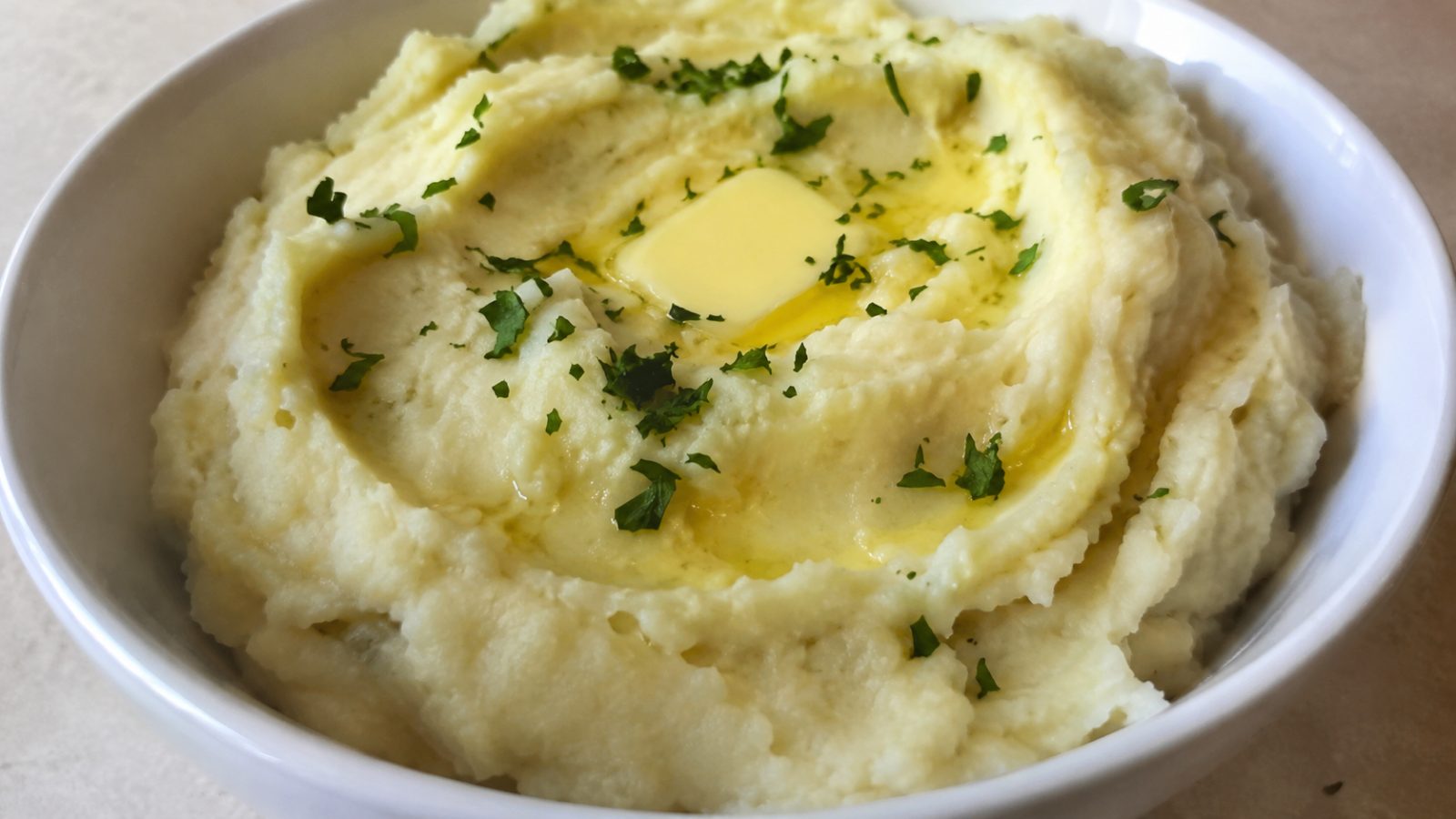
Thanksgiving dinner is a juggling act. The turkey needs attention, the oven is full, and guests keep wandering into the kitchen asking if they can help. In the middle of all that chaos, you still want a creamy, buttery bowl of mashed potatoes on the table. This guide gives you a reliable method for quick & easy mashed potatoes for Thanksgiving side dish success, with simple ingredients, clear steps, and smart shortcuts that save time without sacrificing flavor. Whether you are cooking for four people or fourteen, you will find everything you need below.
Key Takeaways
- Yukon Gold potatoes give you the creamiest texture with the least effort, and you do not need to peel them if you prefer a rustic style.
- Warm butter and warm milk blend into the potatoes more smoothly than cold dairy, which prevents gummy or lumpy results.
- You can make the entire dish up to two days ahead and reheat it in a slow cooker, oven, or stovetop.
- Salting the cooking water generously builds flavor from the inside out, so the potatoes never taste flat.
- A handful of simple add-ins, such as roasted garlic or sour cream, can turn a basic recipe into a memorable one.
Why These Mashed Potatoes Work as an Easy Thanksgiving Side
Mashed potatoes are one of the few holiday dishes that almost everyone at the table loves. Kids enjoy them plain, adults like them loaded with butter, and they soak up gravy better than any other side. The problem is that many recipes demand last-minute work at the stove while you are busy with a dozen other tasks.
This recipe solves that problem in three ways. First, it uses only a handful of ingredients that you probably already have or can find at any grocery store. Second, it keeps hands-on time low, since most of the work is simply waiting for water to boil. Third, it is flexible. You can serve it right away, hold it warm for an hour, or make it ahead and reheat it when the turkey comes out to rest.
Speed matters on Thanksgiving, but so does texture. Nobody wants watery, bland, or gluey potatoes. The method below balances both goals, so you save time and still end up with a fluffy, rich, and deeply satisfying result.
Ingredients You Will Need
This recipe serves about eight people as a side dish. If you are feeding a larger crowd, scale up using the portion tips later in this article.
- 3 pounds Yukon Gold potatoes (about 8 medium potatoes)
- 1 tablespoon kosher salt for the cooking water, plus more to taste
- 6 tablespoons unsalted butter, cut into pieces
- 1 cup whole milk, or half and half for extra richness
- 1/4 cup sour cream or cream cheese (optional but recommended)
- 1/2 teaspoon freshly ground black pepper
- Fresh chives or parsley for garnish (optional)
Everything on that list is easy to find, and nothing requires special equipment beyond a large pot, a colander, and a masher or ricer.
Choosing the Right Potatoes
The potato you pick has a bigger effect on the final dish than almost any other decision. Potatoes fall into three broad categories: starchy, waxy, and all-purpose.
Starchy potatoes like Russets break down easily and produce a light, fluffy mash. They absorb a lot of butter and milk, but they can turn gluey if you overwork them.
Waxy potatoes like red or new potatoes hold their shape well. They are great for roasting or potato salad, but they make a dense, heavy mash that lacks the creaminess most people expect.
All-purpose potatoes like Yukon Golds sit right in the middle. They have a naturally buttery flavor, a smooth texture, and enough starch to mash beautifully. They are also more forgiving if you mash a little too long, which makes them ideal for busy cooks.
Step-by-Step Instructions
Step 1: Prep the potatoes
Wash the potatoes well. Peel them if you like a perfectly smooth mash, or leave the skins on for a rustic look and a bit of extra fiber. Cut the potatoes into evenly sized chunks, about 1.5 to 2 inches wide. Uniform pieces cook at the same rate, so you will not end up with some chunks mushy and others hard in the center.
Step 2: Start in cold, salted water
Place the potato chunks in a large pot and cover them with cold water by about one inch. Add the tablespoon of kosher salt. Starting in cold water helps the potatoes cook evenly from the outside to the center. If you drop them into boiling water, the outsides can turn mushy before the middles are done.
Step 3: Boil until fork tender
Bring the pot to a boil over high heat, then reduce to a steady simmer. Cook for 15 to 20 minutes, until a fork slides into a chunk with no resistance. Do not rush this part. Undercooked potatoes will leave stubborn lumps that no amount of mashing can fix.
Step 4: Warm the dairy
While the potatoes cook, combine the butter and milk in a small saucepan or microwave-safe bowl. Heat gently until the butter melts and the milk is warm, but not boiling. This step takes only a few minutes and makes a surprising difference. Cold liquid cools down the potatoes and keeps them from absorbing the fat evenly.
Step 5: Drain and dry
Drain the potatoes in a colander and let them sit for one to two minutes so the steam can escape. Then return them to the hot, empty pot and let them sit over low heat for about 30 seconds, shaking gently. Removing extra moisture is one of the most important secrets to fluffy mashed potatoes, because water dilutes both flavor and texture.
Step 6: Mash and mix
Mash the potatoes using a hand masher or a potato ricer. Pour in about half of the warm butter and milk mixture, then stir gently. Add the sour cream or cream cheese, then continue adding the remaining dairy a little at a time until the potatoes reach your preferred consistency. Season with pepper and additional salt, tasting as you go.
Step 7: Garnish and serve
Transfer the potatoes to a warm serving bowl. Make a small well in the center, add a pat of butter, and sprinkle with chives or parsley. Serve immediately while hot.
Tips for Creamy, Fluffy Texture
Even a simple recipe benefits from a few professional habits. These tips will help you avoid the most common texture problems.
Use a ricer for the smoothest results. A potato ricer pushes cooked potatoes through small holes, creating a light, airy texture with almost no lumps. If you do not own one, a standard masher works well, and a food mill is another good option.
Never use a blender or food processor. These tools rupture the starch granules in potatoes and turn them into a sticky, gummy paste. A food processor is the fastest way to ruin a pot of mashed potatoes.
Mash by hand and stop early. Overmixing releases too much starch. Mash until the potatoes are just smooth, then fold in the dairy with a gentle hand.
Season in layers. Salt the cooking water, then season again at the end. Potatoes need more salt than most people expect, and layering the seasoning gives a deeper flavor than adding it all at once.
Do not skimp on fat. Butter and cream are what make mashed potatoes taste like a holiday dish. If you want to lighten things up, you can use less, but expect a less luxurious result.
Common Mistakes to Avoid
Many cooks make the same few errors, and each one is easy to fix once you know about it.
Cutting the potatoes too small. Tiny pieces absorb too much water and become soggy. Larger chunks hold less water and cook more evenly.
Adding cold milk or butter. Cold dairy cools the potatoes and makes it harder for the fat to blend in. Always warm the liquid first.
Skipping the drying step. Wet potatoes lead to bland, watery mash. Let the steam escape before you start mashing.
Overworking the potatoes. If your mashed potatoes feel stretchy or glue-like, they have been mixed too aggressively. Next time, mash gently and stop as soon as the texture looks smooth.
Forgetting to taste. Salt and pepper levels vary based on the potatoes, the butter, and your own preferences. Taste before you serve, and adjust as needed.
Make-Ahead and Reheating Options
One of the best things about mashed potatoes is how well they hold up when prepared in advance. On a busy holiday, that flexibility is a lifesaver.
Make ahead in the refrigerator. Prepare the potatoes up to two days before Thanksgiving, then cool them slightly and transfer them to an oven-safe dish. Cover tightly and refrigerate. On the big day, add a splash of warm milk and a few extra pats of butter, then reheat.
Reheat in the oven. Bake the covered dish at 350°F for 30 to 40 minutes, stirring once halfway through. Remove the foil for the last five minutes if you want a slightly golden top.
Reheat in a slow cooker. This is a favorite method for crowded kitchens. Transfer the potatoes to a slow cooker set on low, stir in a little extra milk, and keep them warm for up to two hours. It frees up both the stovetop and the oven.
Reheat on the stovetop. Place the potatoes in a heavy pot over low heat with a splash of milk or cream. Stir often to prevent scorching, and add more liquid if the mash seems stiff.
Freeze for longer storage. Mashed potatoes made with plenty of fat freeze reasonably well. Store them in airtight containers for up to two months, then thaw overnight in the refrigerator before reheating.
Flavor Variations to Try
Once you have mastered the basic method, you can customize the recipe to match your menu or your family’s tastes. Here are a few ideas that work well with a traditional Thanksgiving spread.
Roasted garlic mashed potatoes. Roast a whole head of garlic at 400°F for about 40 minutes, then squeeze the soft cloves into the potatoes as you mash. The flavor is sweet, mellow, and deeply savory.
Brown butter and sage. Cook the butter in a small skillet until it turns golden and smells nutty, then add a few sage leaves for the last minute. Stir the mixture into the potatoes for an elegant, fall-inspired twist.
Loaded mashed potatoes. Fold in shredded cheddar, crumbled bacon, and sliced green onions. This version is a hit with kids and adults alike.
Parmesan and herb. Stir in half a cup of grated Parmesan and a spoonful of chopped fresh thyme or rosemary. The cheese adds saltiness and body, while the herbs bring brightness.
Cream cheese mashed potatoes. Replace the sour cream with four ounces of softened cream cheese. The result is thick, tangy, and incredibly smooth, and it holds well for make-ahead cooking.
Dairy-free version. Swap the butter for olive oil or a plant-based butter, and replace the milk with unsweetened oat or almond milk. Add a spoonful of roasted garlic or nutritional yeast to keep the flavor rich.
How Much to Make for Your Guests
Planning portions can be tricky, especially when you have many other side dishes competing for space on the plate. A reliable rule is to plan on about half a pound of raw potatoes per person. That works out to roughly one medium potato each.
For a group of eight, three pounds is usually plenty. For twelve guests, plan on about five to six pounds. If you are hosting a large crowd or you love leftovers, which are excellent in shepherd’s pie or potato pancakes, bump the amount up by a pound or two.
Remember that mashed potatoes are one of the most popular items on the table. People often take second helpings, so it is better to have a little extra than to run out before the gravy makes its way around.
Serving Suggestions
Mashed potatoes pair naturally with nearly every Thanksgiving main dish and side. Serve them alongside roast turkey, honey-glazed ham, or a vegetarian main such as stuffed squash. Ladle warm gravy over the top just before eating, or set out a gravy boat so guests can add as much as they like.
For a more festive presentation, serve the potatoes in a warmed ceramic dish and garnish with fresh herbs, a drizzle of brown butter, or a sprinkle of smoked paprika. A warm bowl keeps the potatoes hot longer, which matters when dinner stretches over a long, happy meal.
Leftover mashed potatoes keep in the refrigerator for three to four days. Reheat them gently with a splash of milk, or shape them into patties and pan-fry them until crisp for a delicious next-day breakfast.
Frequently Asked Questions
Can I make mashed potatoes the day before Thanksgiving?
Yes. Prepare them completely, cool slightly, and refrigerate in a covered, oven-safe dish. Reheat with a splash of warm milk and extra butter until hot throughout.
What is the best potato for mashed potatoes?
Yukon Gold potatoes are the best all-around choice because they are naturally buttery and creamy. Russets also work well and give a fluffier texture, especially when combined with Yukon Golds.
Why are my mashed potatoes gluey?
Gluey potatoes usually result from overmixing or using a blender or food processor. These tools break down the starch too much, so mash gently by hand or with a ricer instead.
How do I keep mashed potatoes warm for serving?
Use a slow cooker on the low setting, or place the covered pot in a warm oven at about 200°F. Stir in a little milk or butter before serving to restore creaminess.
Do I need to peel the potatoes?
No. Peeling is a matter of preference. Leaving the skins on adds a rustic look and some extra nutrients, while peeled potatoes give a smoother, more traditional texture.
Can I freeze leftover mashed potatoes?
Yes, especially if they contain plenty of butter and cream. Freeze in airtight containers for up to two months, then thaw in the refrigerator overnight and reheat slowly.
Thanksgiving is about gathering around the table, and a warm bowl of creamy potatoes has a way of making everyone feel at home. With the right potatoes, warm dairy, and a few simple habits, you can turn out a dish that tastes like it took hours while spending only a fraction of that time at the stove. Keep this method on hand as your go-to plan for quick & easy mashed potatoes for Thanksgiving side dish success, and your holiday meal will be a little smoother, a lot tastier, and far less stressful from start to finish.