
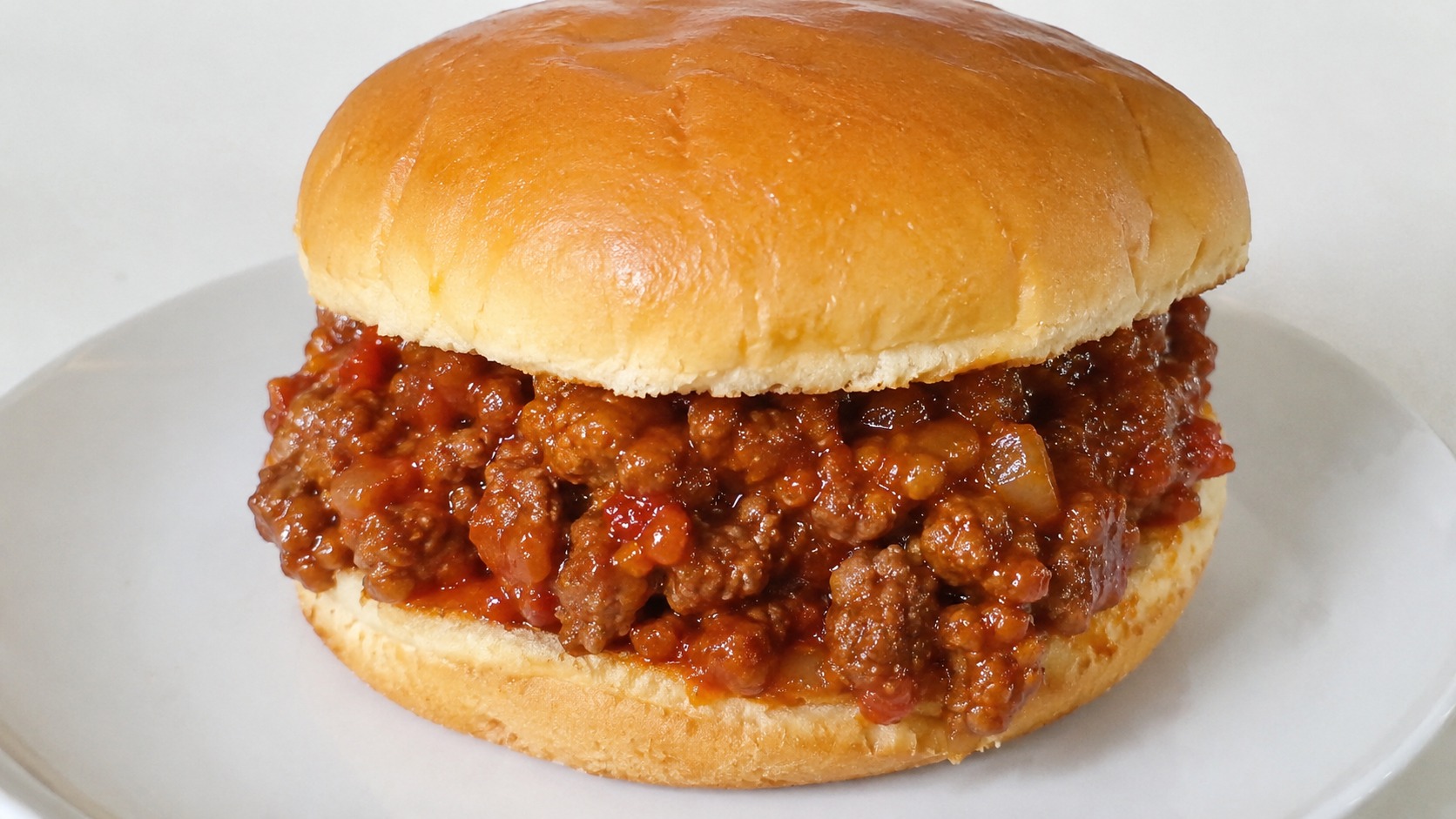
There is something about the smell of tomatoey, slightly sweet ground beef simmering on a stovetop that instantly transports many of us back to a plastic tray, a small carton of milk, and a noisy cafeteria full of friends. Nostalgic School Cafeteria Sloppy Joes hold a special place in the hearts of anyone who grew up eating lunch at a public school in the 1970s, 80s, or 90s. This dish was not fancy. It did not need to be. It was messy, hearty, and comforting in a way that only cafeteria food can be, and decades later, people are still trying to recreate that exact flavor at home.
Unlike restaurant style sloppy joes, the school version had a distinct character. It was a little sweeter, a little tangier, and often had a smoother sauce texture than homemade versions made with fresh tomatoes and diced onions. Cafeteria cooks worked with large batches, canned ingredients, and a formula that had to please hundreds of picky kids at once. That formula became iconic, and it is exactly what so many recipe seekers are chasing when they search for this specific style of sloppy joe today.
Key Takeaways
- The classic lunchroom sloppy joe recipe relies on simple pantry staples like ketchup, brown sugar, and Worcestershire sauce rather than fresh produce.
- A smooth, slightly sweet sauce texture is the defining feature that separates this dish from restaurant style sloppy joes.
- Ground beef is browned and drained thoroughly to avoid a greasy filling, a trick many school cafeterias relied on.
- Soft hamburger buns are traditional, though slider buns work well for parties or smaller portions.
- This recipe reheats beautifully, making it a smart choice for meal prep or make ahead lunches.
Why This Recipe Tastes Like Childhood
Ask anyone who ate school lunch decades ago what they remember most, and sloppy joes almost always come up. There was a rhythm to lunch day menus, and sloppy joe day was often a favorite. The sauce clung to the bun in a way that made every bite drip slightly, and the flavor was somewhere between sweet barbecue sauce and a mild chili.
Part of the reason this dish sticks in memory so strongly is sensory. Smell and taste are two of the most powerful triggers for memory recall, which explains why one bite of a well made version can instantly bring back images of cafeteria trays, milk cartons, and friends sitting across a long table. Recreating that specific flavor profile at home requires understanding a few small details that big batch cooking naturally produced, like a smoother sauce consistency and a balance that leaned sweet rather than spicy.
Ingredients That Make It Authentic
To get close to the real cafeteria flavor, you want to keep things simple. Fresh garlic, fresh herbs, and gourmet additions will actually pull the flavor away from the nostalgic version rather than closer to it. Here is what typically goes into an authentic tasting batch.
- Ground beef, ideally 80/20 for enough fat to keep the mixture moist
- Yellow onion, finely diced or even pulsed in a food processor for a smoother texture
- Ketchup, which forms the base of the sauce
- Brown sugar, for that signature sweetness
- Worcestershire sauce, for depth and a subtle tang
- Mustard, usually yellow, in a small amount
- Water or beef broth, to thin the sauce slightly
- Salt and pepper to taste
- Soft white hamburger buns
Some versions also include a small amount of tomato paste or diced tomatoes for extra body, though many school recipes skipped fresh tomato entirely and relied on ketchup as the primary tomato element. This is actually one of the easiest ways to keep the sauce smooth rather than chunky.
Step by Step Cooking Method
Getting the texture right matters just as much as the ingredient list. Here is a straightforward method that mirrors how large kitchens produced this dish, scaled down for a home stove.
Start by browning the ground beef in a large skillet over medium heat, breaking it into small crumbles as it cooks. Once fully browned, drain off the excess fat completely. This step is important because a greasy filling will never taste quite right, and school kitchens were meticulous about draining meat before adding sauce.
Add the diced onion directly to the beef and cook for a few minutes until softened. Then stir in the ketchup, brown sugar, Worcestershire sauce, mustard, and a splash of water or broth. Reduce the heat to low and let the mixture simmer uncovered for fifteen to twenty minutes, stirring occasionally. The sauce should thicken slightly and coat the meat evenly without being watery or too thick to spread.
Taste and adjust the seasoning near the end of cooking. Some batches benefit from an extra spoonful of brown sugar if the ketchup you used leans more acidic than sweet. Once the flavor and texture feel right, spoon the mixture generously onto soft hamburger buns and serve immediately.
Tips for Getting the Texture Just Right
A few small techniques can make a noticeable difference in how close your final product comes to the real cafeteria memory.
- Pulse the onion in a food processor rather than hand dicing it for a smoother, more uniform texture that blends into the sauce rather than standing out as separate pieces.
- Simmer low and slow rather than at a high heat, which allows the flavors to meld without reducing the sauce too aggressively.
- Use a potato masher briefly while the beef cooks to break it into finer crumbles, closer to the texture large batch cooking equipment naturally produced.
- Let the mixture rest for a few minutes off heat before serving so the sauce thickens slightly and clings better to the meat.
- Toast the buns lightly if you prefer a bit of structure, though the traditional cafeteria version used plain, untoasted soft buns.
Serving Ideas and Modern Twists
While the traditional version is served simply on a bun, there are plenty of ways to bring this comfort food into a modern kitchen without losing its nostalgic charm. Some families serve it over baked potatoes or rice for a heartier meal. Others turn it into sliders for parties, using small dinner rolls instead of full sized buns, which makes portion control easier for both kids and adults.
For a slightly updated twist, a small amount of smoked paprika or a dash of hot sauce can add complexity without straying too far from the original flavor. Cheese lovers often add a slice of American or cheddar cheese on top of the meat before closing the bun, which was sometimes an option in school lunch lines as well.
This dish also freezes exceptionally well. Cooking a double batch and freezing half in an airtight container means a comforting, familiar meal is always just a reheat away on a busy weeknight. Simply thaw in the refrigerator overnight and warm gently on the stovetop or in the microwave before serving.
A Dish That Connects Generations
There is a reason recipes like this continue to circulate online and in family cookbooks decades after they first appeared on lunch trays. Comfort food has a way of connecting generations, and parents who grew up eating this dish often want to share that same experience with their own children. Making Nostalgic School Cafeteria Sloppy Joes at home becomes less about the specific recipe and more about recreating a feeling, one that involves simple ingredients, easy cleanup, and a meal that brings everyone to the table without fuss.
It is also worth noting how forgiving this recipe is for beginner cooks. There is very little room for error, no delicate technique required, and the ingredients are affordable and easy to find at any grocery store. This makes it an ideal recipe for teaching kids to cook, since the steps are simple enough to follow with a little supervision, and the payoff is a meal that feels like an accomplishment.
Frequently Asked Questions
What makes school cafeteria sloppy joes different from regular sloppy joes? The main difference lies in the sauce texture and sweetness level. Cafeteria versions tend to be smoother, sweeter, and made primarily with ketchup rather than fresh tomatoes, giving them a distinct flavor compared to restaurant or homemade versions.
Can I make this recipe ahead of time? Yes, this dish actually tastes better the next day once the flavors have had time to meld. Store it in an airtight container in the refrigerator for up to four days, or freeze it for up to three months.
What type of bun works best? Soft, plain white hamburger buns are the most traditional choice and closely match what was served in school cafeterias. Slider buns work well for smaller portions or parties.
Can I use ground turkey instead of ground beef? Yes, ground turkey is a lighter alternative that still absorbs the sauce well. Keep in mind the flavor will be slightly less rich, so you may want to add a touch more Worcestershire sauce for depth.
Why is my sauce too thin or too thick? If the sauce is too thin, let it simmer uncovered a bit longer to reduce. If it becomes too thick, stir in a small splash of water or broth until it reaches the desired consistency.
Is this recipe kid friendly to make together? Absolutely. The steps are simple, the ingredients are safe for kids to handle with supervision, and the browning and stirring process is easy enough for younger helpers to participate in under adult guidance.
Few dishes manage to capture a specific memory the way this one does. Whether it is served on a quiet weeknight or made for a themed retro dinner party, Nostalgic School Cafeteria Sloppy Joes bring back a familiar warmth that goes beyond just the taste. With a handful of pantry staples and a little patience while the sauce simmers, anyone can recreate that same comforting bite that so many people still think about long after their school days have ended.